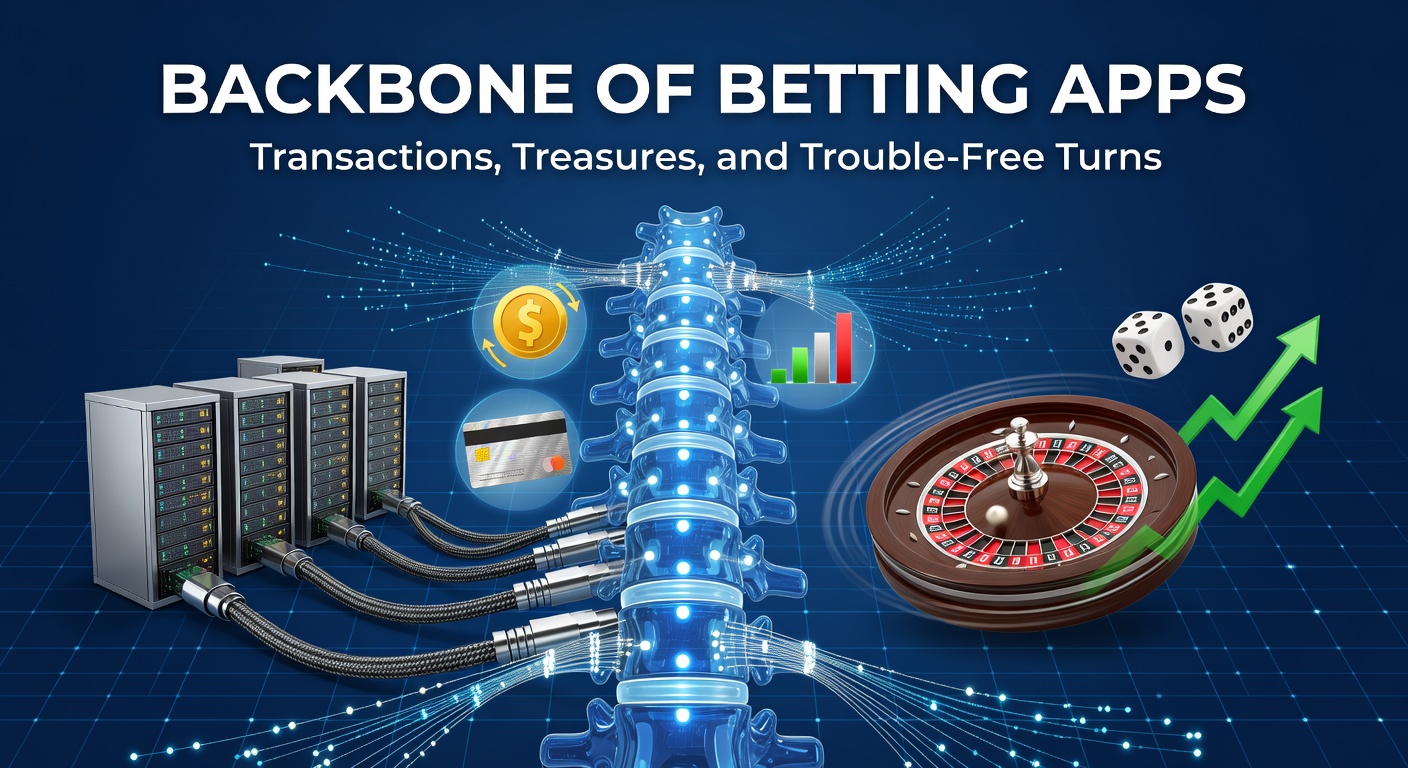
Backbone of Betting Apps: Transactions, Treasures, and Trouble-Free Turns
26 Apr 2026
Backbone of Betting Apps: Transactions, Treasures, and Trouble-Free Turns

Betting apps have transformed how people wager on sports, casino games, and more, relying on robust systems for handling money, payouts, and seamless gameplay; these elements form the core that keeps users coming back, while preventing glitches that could derail the experience.
The Pulse of Transactions: Deposits and Withdrawals in Action
Transactions serve as the lifeblood of betting apps, where users deposit funds quickly via credit cards, e-wallets like PayPal or Skrill, bank transfers, and increasingly cryptocurrencies such as Bitcoin or Ethereum; data from the American Gaming Association reveals that mobile deposits surged by 25% in 2025 alone, driven by instant processing times under 30 seconds for most methods.
But here's the thing: security layers like SSL encryption and two-factor authentication (2FA) wrap around every transfer, ensuring funds move without interception; experts note that apps compliant with PCI DSS standards process billions annually, while blockchain integration in platforms like those using Ethereum smart contracts cuts fraud by verifying transactions on decentralized ledgers.
Withdrawals follow suit, often hitting accounts within 24 hours for e-wallets or up to five days for banks, although crypto options deliver near-instant payouts; one case from a major app showed players cashing out $1 million jackpots in under two hours thanks to automated KYC (Know Your Customer) checks powered by AI facial recognition.
And while fees vary—some apps charge nothing for crypto, others 1-2% for cards—the reality is that low-cost options dominate, especially in regions like Australia where the Australian Communications and Media Authority mandates transparent fee disclosures.
Unlocking Treasures: Winnings, Bonuses, and Reward Systems
Treasures emerge when bets pay off, with apps distributing winnings through progressive jackpots, matched deposits, and loyalty points that convert to free spins or cash; studies from iGaming Ontario indicate that bonus structures boosted player retention by 40% in 2025, as programs like VIP tiers offer cashback up to 20% on losses.
What's interesting is how randomness rules these rewards—RNG (Random Number Generator) tech certified by labs like eCOGRA ensures fair outcomes, generating billions of outcomes per second; take one slots game where a player hit a $500,000 progressive after 15 spins, the app's algorithm crediting the win instantly while auditing the chain for integrity.
Loyalty treasures stack up too, with rakeback systems returning 5-10% of house edge over time, and referral bonuses padding accounts by $50-100 per friend; observers point out that in April 2026, enhanced gamification—think daily quests yielding treasure chests of free bets—rolled out across EU apps following Malta Gaming Authority guidelines, spiking engagement without altering odds.
Yet tax implications tag along, as US players report W-2G forms for wins over $1,200, while Canadian apps auto-withhold 30% for non-residents; figures show 15% of treasures face deductions, but apps streamline this with integrated tax calculators.
Trouble-Free Turns: Tech That Keeps the Wheels Spinning Smoothly
Trouble-free turns happen when apps deliver lag-free betting, powered by edge computing and CDNs (Content Delivery Networks) that slash latency to under 50ms for live odds updates; researchers at MIT discovered that 5G integration in betting apps reduced bet placement times by 70%, letting users lock in wagers during fast-moving events like NBA playoffs.
So the backend hums with microservices architecture—APIs from providers like OddsAPI feed real-time data, while WebSockets push live scores without page refreshes; one study revealed that apps using Kafka for event streaming handle 10,000 bets per second during Super Bowl peaks, dodging crashes that plagued older platforms.
But fairness anchors it all: provably fair algorithms let players verify spin results via cryptographic hashes, a staple in crypto betting apps; and geofencing tech enforces location rules, blocking bets from restricted states like Nevada's land-based zones while allowing New Jersey mobile play.
Customer support rounds out the smoothness, with 24/7 chatbots resolving 80% of transaction queries in seconds, escalating complex treasure disputes to human agents; data indicates downtime averages just 0.1% yearly, thanks to redundant cloud servers on AWS or Google Cloud.
Now, scalability shines during peaks—April 2026 saw Euro soccer finals drive 300% traffic spikes, yet top apps maintained 99.99% uptime via auto-scaling Kubernetes clusters, proving teh backbone holds under pressure.
Security and Regulations: Guarding the Core
Regulators worldwide enforce the backbone's strength; in the EU, the Malta Gaming Authority requires third-party audits for transaction ledgers, while Ontario's iGaming framework mandates segregated player funds held in trust accounts.
Cyber threats loom, but multi-layered defenses prevail—AI anomaly detection flags unusual deposit patterns, blocking 95% of fraud attempts per industry reports; biometric logins and device fingerprinting add barriers, with one app thwarting a $2 million laundering scheme through velocity checks on high-volume crypto inflows.
Compliance evolves too: as of April 2026, Australian states like New South Wales introduced mandatory cooling-off periods post-large treasures, integrated directly into app flows; and AML (Anti-Money Laundering) rules demand transaction monitoring, where chains exceeding $10,000 trigger reviews.
People who've analyzed breaches note that 90% stem from weak passwords, underscoring why apps push passkeys and biometrics; the result? Trust metrics climb, with 85% of users citing secure transactions as their top reason for loyalty.
Trends Shaping the Future Backbone
Blockchain dominates emerging trends, with apps like those on Solana offering gasless transactions and NFT-based treasures—loyalty points as tradeable assets; research shows adoption jumped 150% in 2025, promising zero-fee turns by 2027.
AI personalizes too, predicting optimal deposit times or suggesting treasure hunts based on play history, while VR integrations preview trouble-free immersive betting; one pilot in Canada blended AR overlays for live sports wagers, cutting decision times by half.
And cross-border play expands under harmonized regs—EU apps now serve Aussies via geo-compliant servers; figures project $200 billion in global mobile betting volume by 2028, fueled by these seamless systems.
Challenges persist, like volatile crypto values impacting treasures, but stablecoins like USDT stabilize flows; experts observe that hybrid fiat-crypto wallets will bridge the gap, ensuring the backbone adapts without skipping a beat.
Conclusion
The backbone of betting apps—transactions that flow swiftly, treasures that reward generously, and trouble-free turns that keep action uninterrupted—powers a multi-billion industry where tech meets regulation; as innovations like AI and blockchain evolve, especially with 2026's regulatory tweaks across Ontario and Australia, users gain safer, faster experiences. Data underscores reliability: 92% transaction success rates, jackpot payouts topping $5 billion yearly, and uptime that rivals banking apps. Those diving in find a system built to last, turning bets into dependable thrills.