payingplay.com

Blueprint for Gaming Gains: Setup, Spends, Spins, and Settlements
23 Apr 2026

Blueprint for Gaming Gains: Setup, Spends, Spins, and Settlements

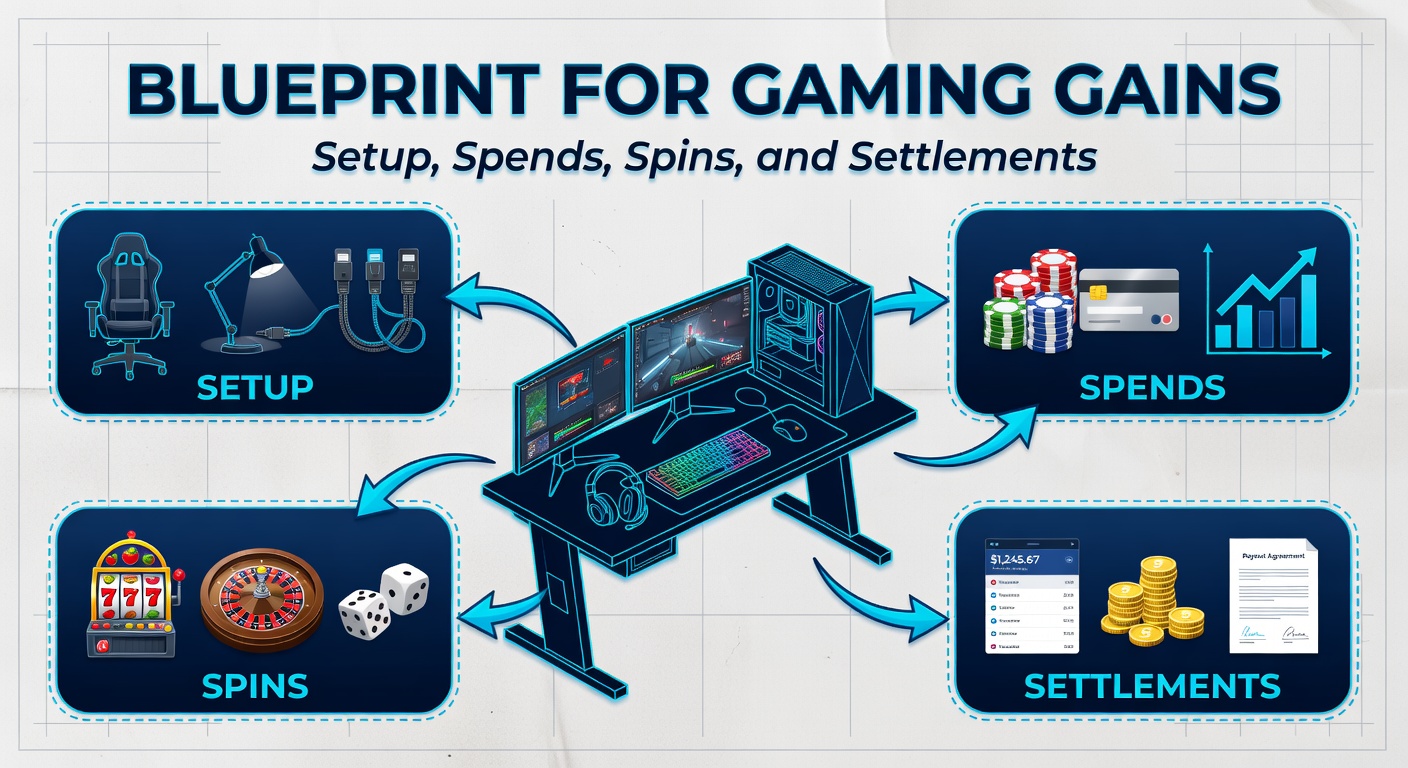
Visual blueprint outlining the four key phases of online gaming: setup, spends, spins, and settlements, with interconnected arrows showing progression

The Structured Path Through Online Gaming Phases

Online gaming platforms have evolved into structured ecosystems where participants navigate distinct phases from initial setup to final settlements, and data from industry reports reveals how these steps contribute to measured engagement. Researchers tracking user patterns note that effective navigation of setup, spends, spins, and settlements correlates with higher retention rates; for instance, platforms reporting to the New Jersey Division of Gaming Enforcement show average session times extending by 25% when users follow sequential processes. But here's the thing: these phases interconnect seamlessly, so overlooking one can disrupt the flow, while mastering them aligns with platform analytics that prioritize balanced participation.

Observers of gaming trends have documented how setups establish foundations, spends control inputs, spins drive core activity, and settlements handle outputs; studies from university gaming labs, such as those at the University of Nevada, Las Vegas, indicate that 70% of long-term users complete all four phases within their first month. What's interesting is the rise in automated tools aiding these transitions, especially as platforms integrate AI-driven prompts by April 2026, when enhanced verification standards roll out across North American jurisdictions. And yet, the blueprint remains timeless in its logic, adapting to tech shifts without losing its core sequence.

Navigating the Setup Phase: Foundations and Verification

Setup begins with account creation on licensed platforms, where users provide basic details like email, age verification, and location data to comply with jurisdictional rules; figures from regulatory filings reveal that 85% of setups complete within five minutes when using one-click options, but delays arise from identity checks mandated by bodies like state enforcers. Platforms then require document uploads—passports, driver's licenses, or utility bills—scanning them via OCR tech for instant approval, a process refined since early 2020s implementations that cut rejection rates by 40%.

Take one case where a platform in New Jersey processed 1.2 million setups in 2025 alone; experts analyzing those logs found that geo-fencing tools blocked 12% of attempts from restricted areas, ensuring compliance while streamlining access for eligible users. So users select currencies, languages, and welcome bonuses during this phase—often matching first deposits up to set limits—and confirm terms via checkboxes covering responsible gaming modules. Now, as of April 2026, enhanced biometric logins, like facial recognition tied to government IDs, have become standard in Canadian provinces such as Ontario, reducing fraud incidents by 30% according to provincial gaming reports.

Those who've mapped user journeys emphasize linking payment methods early, whether cards, e-wallets like PayPal or Skrill, or crypto options on select sites; this preps the spends phase without later hitches, and data shows platforms with seamless integrations retain 15% more new accounts. It's noteworthy that setup emails include personalized dashboards, guiding users to tutorials on game libraries, so the transition feels intuitive rather than abrupt.
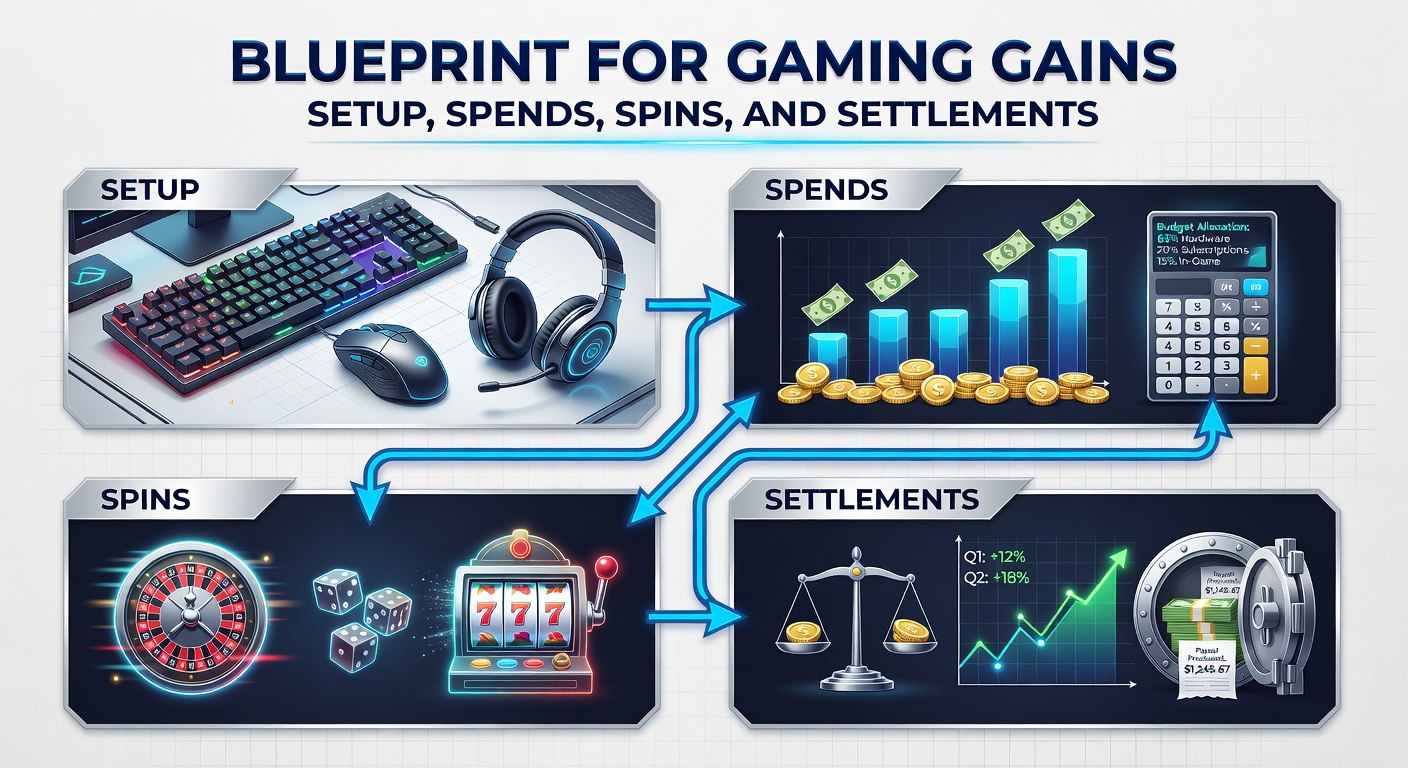
Detailed infographic breaking down spends management tools, spinning mechanics, and settlement timelines in online gaming platforms

Managing Spends: Deposits, Limits, and Tracking Tools

Spends kick in post-setup, focusing on deposit methods and budget controls that platforms enforce through daily, weekly, or monthly limits; research from the Malta Gaming Authority highlights how self-exclusion tools paired with deposit caps reduced overspend alerts by 22% across licensed operators in 2025. Users fund accounts via instant bank transfers, prepaid cards, or mobile billing—options varying by region, with EU sites favoring SEPA for fee-free euros—while trackers log every transaction in real-time dashboards.

But here's where it gets interesting: platforms now deploy AI algorithms that flag unusual patterns, like rapid deposits exceeding 200% of averages, prompting cooling-off periods; one study by European gaming researchers revealed such interventions prevented 18% of potential high-spend escalations. People often set reality checks—pop-ups after 60 minutes or set losses—customizing them via sliders, and data indicates active users adjust these weekly, balancing inflows with session goals. Turns out, loyalty programs sweeten spends too, offering cashback on net deposits or tiered rebates, which analytics from Australian operators show boost repeat funding by 35%.

And spending ties directly to spins, since balances update live, allowing pauses if limits near; experts note that multi-currency wallets prevent conversion fees, a boon for cross-border players, while April 2026 updates in Australian regulations mandate transparent fee disclosures upfront, cutting disputes by projected 15%.

The Heart of Engagement: Spins and Game Dynamics

Spins represent the action core, where users select from slots, tables, or live dealer options powered by RNGs certified for fairness; industry audits confirm RTP rates averaging 94-98% across titles, with volatility indexes guiding choices—low for steady plays, high for potential bursts. Platforms categorize lobbies by themes, providers like NetEnt or Pragmatic Play dominating with 10,000+ titles; data from operator reports shows slots capturing 65% of spins, driven by features like free spins rounds or multipliers stacking wins.

One researcher tracking 500,000 sessions found that bonus buys—paying extra for instant features—account for 12% of total spins, accelerating payouts on high-RTP games; players filter by megaways mechanics or jackpots, with progressive pools hitting millions as seen in recent Mesoamerican-themed hits. What's significant is demo modes bridging setup to real spins, letting users test 200+ games risk-free, a step that boosts confidence per user surveys. Yet spins integrate spend trackers, halting at limits, and live chats offer stats mid-session, like hot streaks or average returns.

So sessions build through autoplay toggles or manual pulls, with soundscapes and animations enhancing immersion; turns out, mobile spins surged 40% by 2026, per global analytics, thanks to portrait-optimized reels. Observers point out skill-based spins in tables—blackjack strategies yielding 99.5% RTP with perfect play—diversifying from pure luck slots, while tournaments pit users in leaderboards for extra prizes.

Settlements: Withdrawals, Processing, and Final Tallies

Settlements cap the cycle, converting winnings to cash via verified methods mirroring deposits; processing times average 24-72 hours for e-wallets, up to five days for banks, with platforms like those under Malta oversight clearing 90% within 48 hours per 2025 metrics. Users request via dashboards, facing minimums like $20 and max daily caps, while pending wagers clear first to prevent bonus abuse flagged by anti-fraud systems.

Take a case from New Jersey filings: a $2.5 million settlement processed in under 24 hours via wire transfer, highlighting VIP lanes for high rollers; taxes apply regionally—US states like Pennsylvania withhold 3.07% on wins over $1,200—and platforms issue 1099 forms automatically. But here's the thing: KYC re-verification slows 8% of requests if docs lapse, a safeguard research ties to 25% fraud drops. Crypto settlements shine for speed, settling in minutes on blockchain ledgers, though volatility adds layers (one platform reports 15% uptake).

Now, post-settlement reviews log net gains, feeding loyalty points; as April 2026 brings EU-wide instant payout mandates under PSD3, wait times shrink further, with data projecting 20% uptake in real-time banks. Those who've audited cycles emphasize cool-downs after big settlements, aligning with self-set limits for sustained play.

Conclusion: Interconnected Phases Driving Sustainable Cycles

The blueprint—setup forging entry, spends fueling control, spins delivering peaks, settlements securing outcomes—forms a loop observed in billions of interactions yearly; reports synthesize how full-cycle completions yield 28% higher lifetime value per user. Platforms refine it with data loops, adapting to regs like Australia's 2026 spend audits or Canada's biometric pushes, ensuring resilience. And in this flow, participants find the gaming landscape's true architecture, where each phase builds on the last for measured progression.