Charting Device Hops: Account Tweaks, Promo Layers, and Catalog Picks in Mobile-First Play Zones
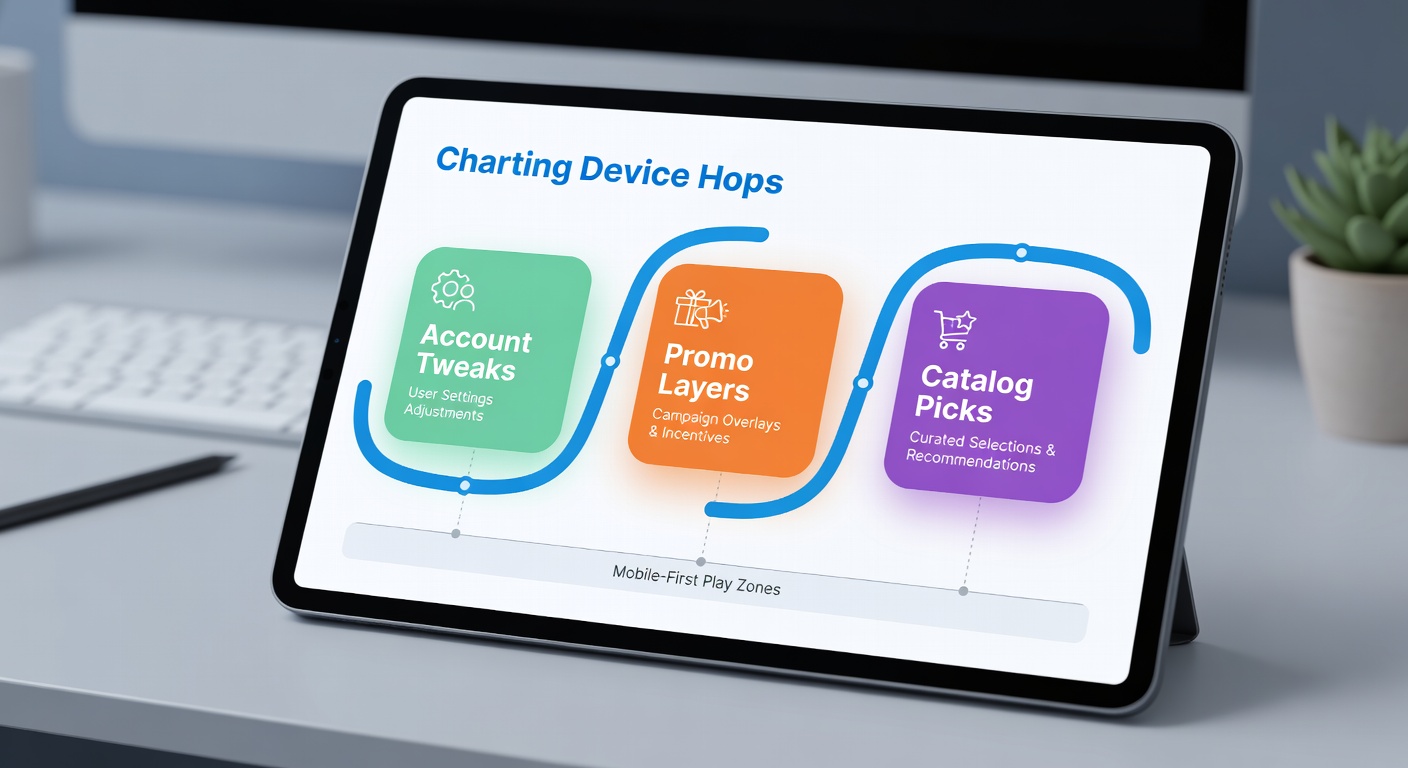
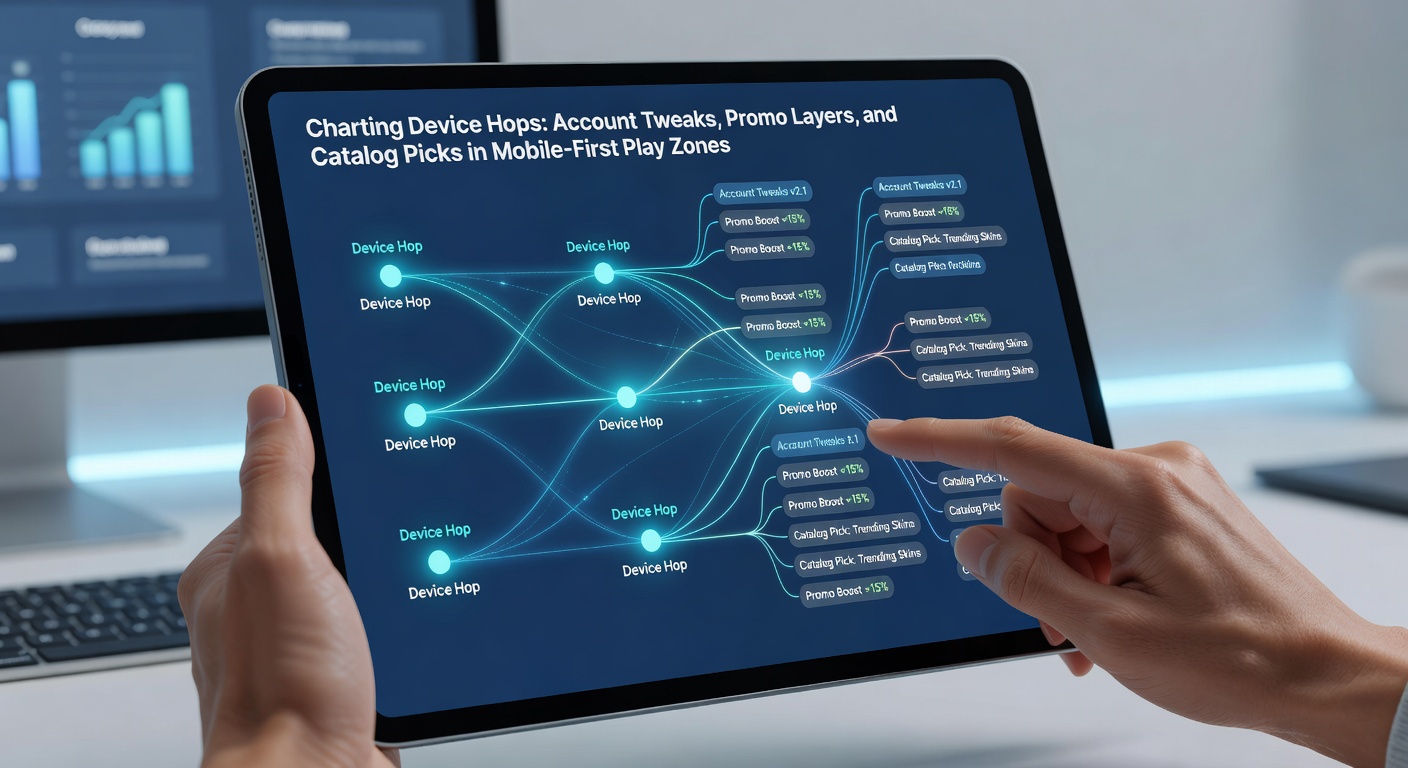
Device hops refer to the practice of switching between smartphones, tablets, and other mobile endpoints while maintaining uninterrupted access to gaming platforms, and data collected through May 2026 shows this behavior has become standard across mobile-first environments where users expect seamless transitions without losing progress or active sessions.
Operators design systems that track device signatures and session states so that account details carry over automatically, which reduces friction during hops and keeps players engaged longer according to reports from the Alcohol and Gaming Commission of Ontario.
Account Tweaks That Support Fluid Device Movement
Players adjust notification preferences, payment methods, and verification layers to match the device in use, since smaller screens often require streamlined interfaces while tablets allow more detailed control panels; research from the Interactive Games and Wagering Association indicates that accounts configured with device-specific toggles experience fewer interruptions when users move between hardware.
Security settings receive particular attention because biometric logins vary by device capability, and operators now provide unified dashboards that let users enable or disable two-factor prompts without restarting the entire authentication flow.
Promo Layers Built for Mobile Contexts
Promotional structures stack welcome bonuses, reload offers, and loyalty rewards so they activate based on device type and session length, which creates layered incentives that reward consistent mobile engagement. Figures released in early 2026 reveal that platforms offering device-aware promotions see higher redemption rates because users receive tailored messages that appear only on the screen they currently use.
These layers often include time-bound triggers tied to hop frequency, encouraging players to test new devices while still qualifying for the same bonus pools, and industry analyses show this approach helps operators maintain engagement metrics even as hardware preferences shift seasonally.
Catalog Picks Optimized for Mobile-First Zones
Game libraries get curated differently for mobile users, with developers prioritizing titles that load quickly on variable network speeds and support touch controls without requiring external peripherals. Observers tracking catalog performance note that providers emphasize shorter session games during peak commuting hours while reserving deeper strategy titles for evening tablet use.
Popular selections in 2026 include progressive slots with mobile-optimized jackpots and live dealer formats that adapt video streams to smaller viewports, and data from the Australian Communications and Media Authority confirms that mobile catalog usage has outpaced desktop access by significant margins in most regulated markets.
Cross-device compatibility remains a priority because players expect the same game to resume exactly where they left off after a hop, which requires backend systems to synchronize state across operating systems and screen resolutions.
Operational Patterns Observed in Mobile-First Environments
Platform analytics track hop frequency alongside account activity to identify friction points, allowing developers to refine interface scaling and reduce load times between devices. Studies compiled by research institutions show that accounts with pre-set mobile preferences complete hops in under three seconds on average, whereas unoptimized profiles take noticeably longer and lose users during transitions.
Payment gateways also adapt during hops, with wallets that support instant verification across devices becoming standard features in newer releases, and this integration helps maintain regulatory compliance while preserving player momentum.
Conclusion
The combination of device-aware account adjustments, stacked promotional structures, and carefully selected mobile catalogs shapes how modern play zones operate, and continued monitoring through 2026 will likely highlight further refinements in cross-device synchronization as operators respond to evolving user habits and regulatory expectations across multiple jurisdictions.