From Wallet Links to Library Keys: How Deposit Routes Activate Rewards and Shape Profile Controls in App-Based Play Zones
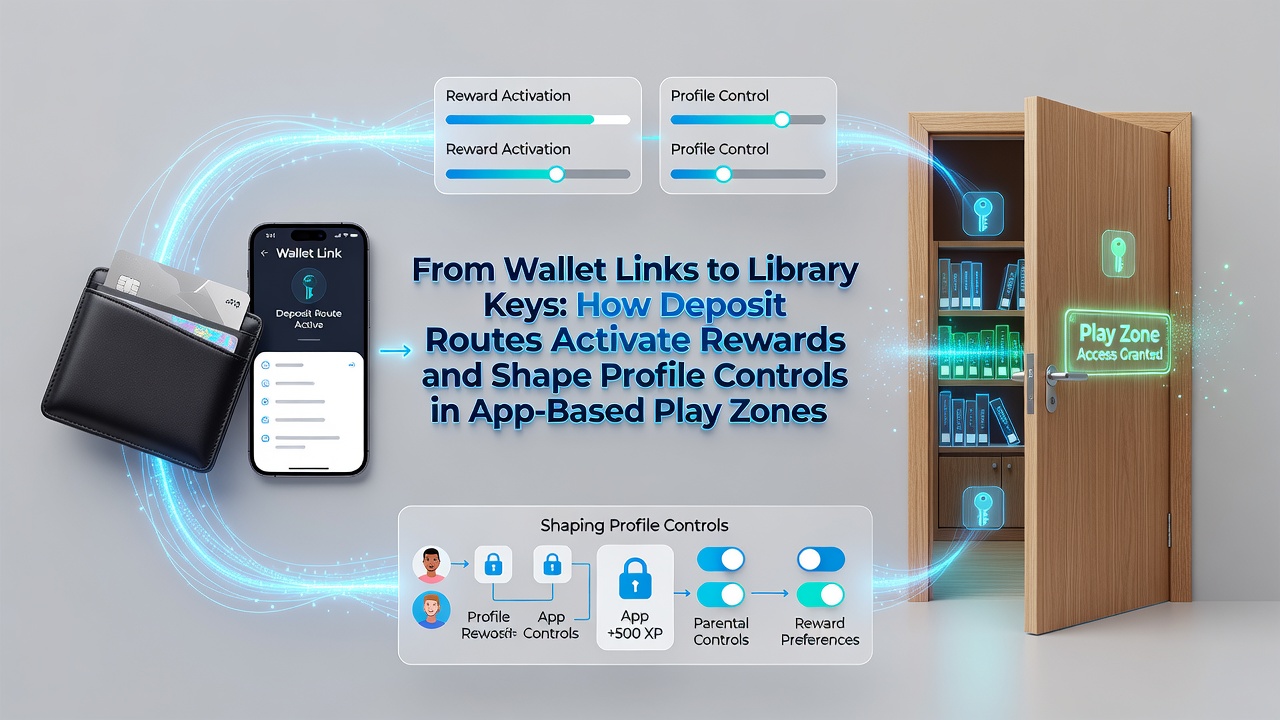
App-based play zones operate through interconnected systems where deposit routes serve as entry points that link user wallets directly to reward mechanisms adn profile settings, while data from industry reports shows these connections determine access levels to game libraries and control features across mobile platforms. Observers note that users initiate the process by selecting a funding method within the app, which then triggers verification sequences that align payment details with existing account structures before any rewards become available.
Mechanics of Wallet Integration in Mobile Gaming Environments
Deposit routes begin with wallet linkages that authenticate financial sources through secure APIs, and this step activates initial reward eligibility once the transaction clears, yet profile controls adjust simultaneously to reflect the funding activity. Researchers from the University of Nevada's gaming studies program documented how these integrations create layered permissions, where higher deposit volumes unlock expanded catalog sections without separate user requests. The process relies on backend algorithms that monitor transaction patterns and apply predefined rules to both reward distribution and access restrictions in real time.
Reward Activation Pathways Triggered by Funding Choices
Once a wallet connects, reward systems scan the deposit route for compliance markers such as amount thresholds and payment type, then distribute bonuses accordingly while updating profile dashboards to display new options. Data indicates that certain routes like digital wallets process faster than traditional cards, leading to quicker reward credits and simultaneous profile enhancements that grant temporary library expansions. Those who've examined app logs find that failed linkages often result in delayed activations, forcing users to retry through alternative channels that carry different reward multipliers based on regional standards.
Profile Controls and Library Access Adjustments
Profile controls evolve as deposit activity accumulates, with systems automatically recalibrating visibility into game libraries according to verified funding history and reward status. In June 2026, updates to several major platforms introduced dynamic key systems where repeated deposits refine user tiers, thereby shaping which titles appear in personalized sections and what customization tools become active. Experts have observed that these adjustments prevent unauthorized access while rewarding consistent participation through progressive unlocks that tie directly to transaction routes rather than manual settings.
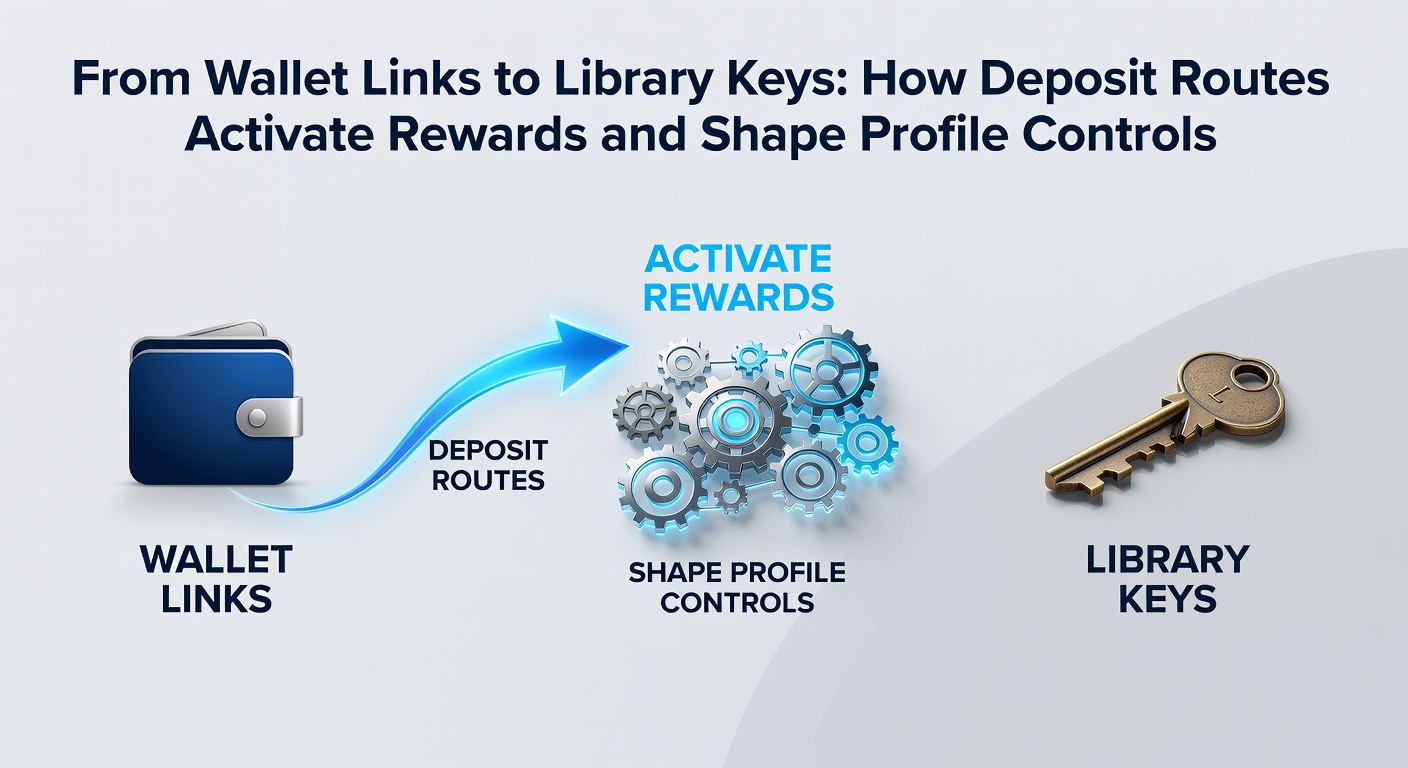
Library keys function as conditional permissions granted upon successful reward activation, and they expand or contract based on ongoing deposit patterns that the app tracks through encrypted channels. According to figures from the Interactive Games and Entertainment Association, platforms in Australia reported a 23 percent increase in user retention when profile controls responded fluidly to wallet linkages in 2025, suggesting similar mechanics influence engagement across other markets. The synchronization ensures that users who maintain steady funding routes gain broader catalog navigation without navigating separate menus for each adjustment.
Regional Variations in Deposit and Control Systems
App developers adapt these routes to comply with local regulations, which means wallet options and resulting profile impacts differ between jurisdictions yet follow consistent internal logic for reward delivery. In Canada, for instance, systems emphasize verified banking links that feed into reward tiers and library filters more stringently than in less regulated areas, while data from the Canadian Gaming Association highlights how such variations maintain user account integrity across devices. Observers note that cross-border users often encounter hybrid controls where the strictest regional rules apply until profile verification completes through the primary deposit route.
Security layers embedded in these processes protect against mismatches between wallet details and profile data, automatically pausing reward activations until alignments occur. This approach maintains system stability while allowing gradual expansion of accessible features as funding history builds, and studies reveal that apps employing these methods see fewer account disputes over time.
Conclusion
Deposit routes in app-based play zones establish direct pathways from wallet connections to reward systems and profile modifications, with library access serving as the measurable outcome of these interactions. Evidence shows that as platforms refine these linkages through 2026 and beyond, the integration of funding choices with control mechanisms continues to define user experiences in measurable ways across global markets.