How Enrollment Processes Influence Promotional Rotations and Payout Schedules on Mobile Entertainment Platforms
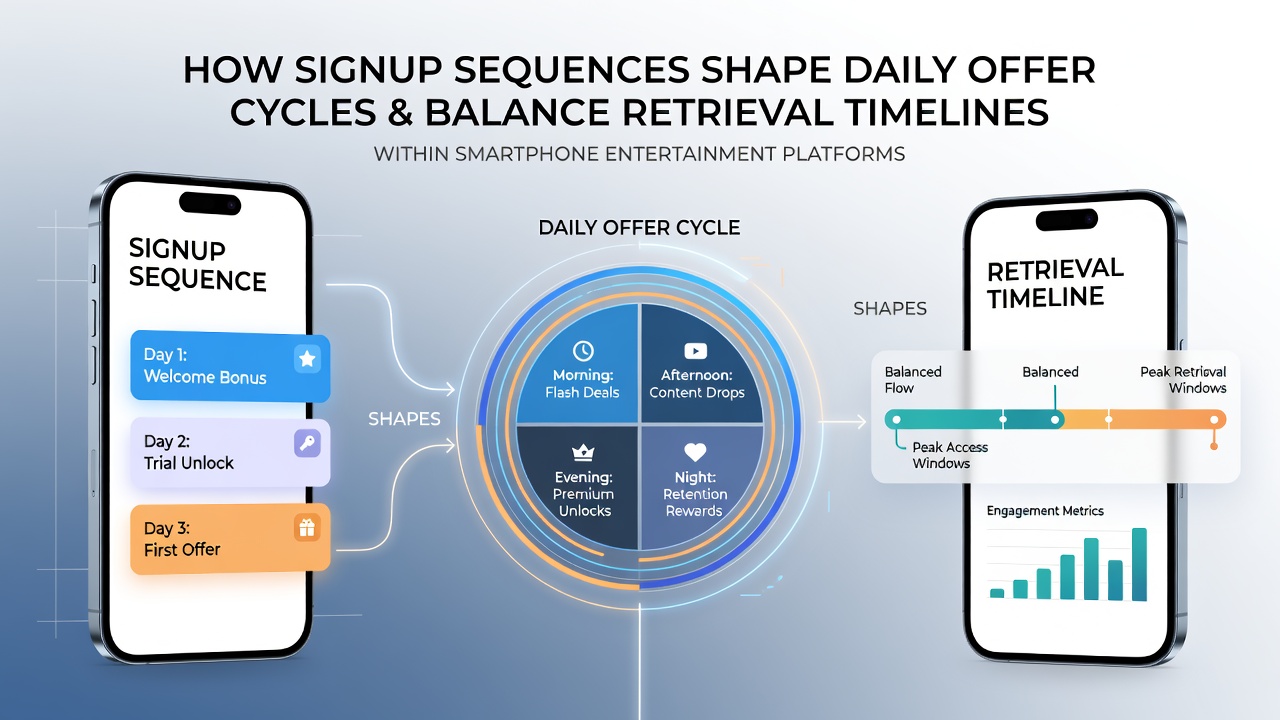
Enrollment sequences in smartphone entertainment platforms establish the foundation for how daily promotional structures operate and how balance retrieval timelines unfold for users across different regions. These initial steps determine the timing of bonus activations, the frequency of rotating offers, and the intervals required before funds become available for transfer. Data from industry reports indicates that streamlined onboarding processes correlate with faster integration into daily cycles, while extended verification stages often extend the windows before retrieval requests process successfully.
Core Elements of Signup Sequences
Platform operators design enrollment flows to collect user details, confirm identities, and apply initial settings that feed directly into promotional engines. According to research published by the Interactive Games and Entertainment Association, account creation timelines in 2025 averaged between two and seven minutes depending on verification methods used. Shorter sequences allow immediate placement into rotating offer pools, whereas multi-step identity checks introduce delays that shift users into later daily cycles. These variations matter because daily offers typically refresh at fixed intervals tied to account activation timestamps rather than calendar days alone.
Impact on Daily Offer Cycles
Once enrollment completes, the sequence determines entry points into promotional rotations. Platforms segment users based on signup completion dates and verification status, which creates staggered release patterns for bonuses and rewards. A study conducted by researchers at the University of Nevada Reno found that accounts finalized before midday local time accessed new daily offers 18 percent earlier than those completed after evening cutoffs. This segmentation prevents system overload while maintaining steady engagement across global user bases. Offer cycles therefore operate on rolling 24-hour windows that align with individual enrollment moments rather than universal resets.
Additional layers appear when platforms layer geographic or device-based filters onto these sequences. Users in certain time zones encounter adjusted rotation schedules that account for regional server loads, and these adjustments trace back to the metadata captured during initial signup. The result appears in staggered reward availability that feels personalized yet follows algorithmic patterns established at the enrollment stage.
Balance Retrieval Timelines and Sequence Dependencies
Retrieval processes connect closely to the same enrollment data points that govern offer cycles. Verification completeness achieved during signup determines the speed of subsequent withdrawal approvals, since platforms reuse identity records for compliance checks. Figures released by the Australian Communications and Media Authority in early 2026 showed average processing times ranging from four hours for fully verified accounts to 48 hours for those requiring supplemental documentation after signup.
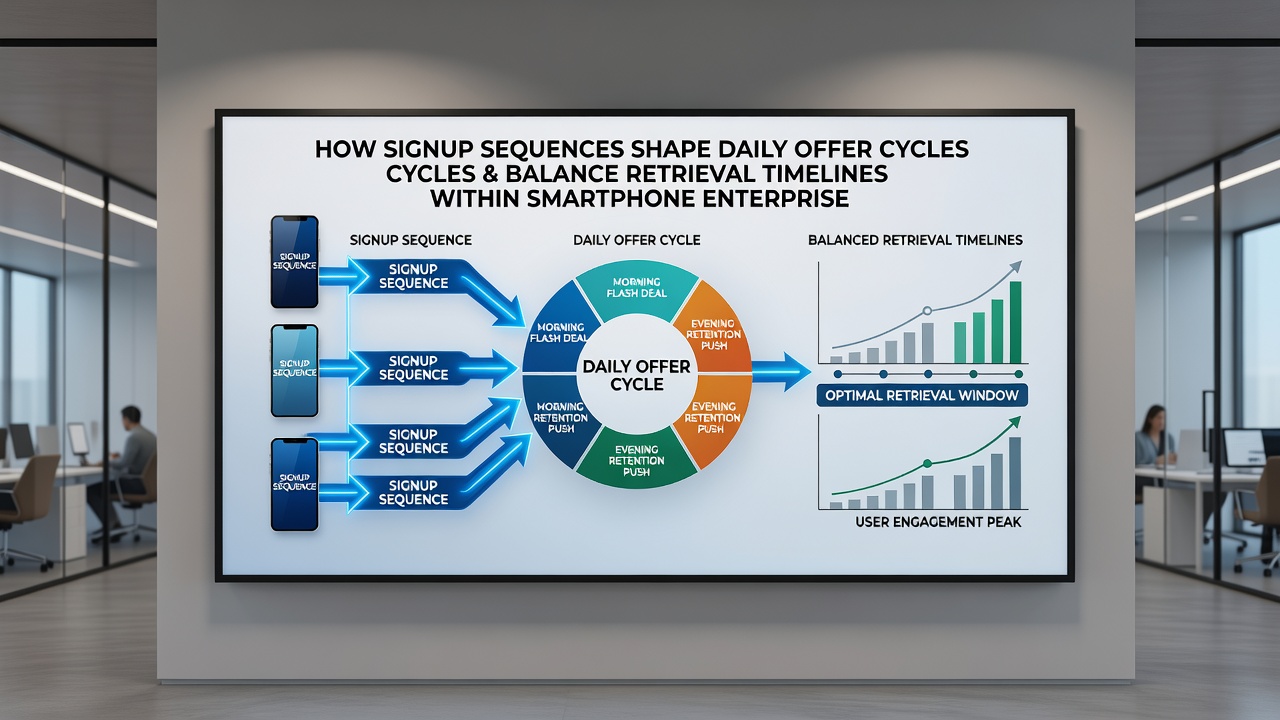
Daily offer participation further influences retrieval eligibility windows. Many systems impose a minimum activity threshold measured from account creation, which means users who joined mid-cycle must wait through additional rotations before qualifying for expedited transfers. This linkage creates predictable patterns where earlier enrollment often unlocks shorter retrieval timelines once activity requirements are met.
Interconnections Across Global Platforms
Cross-regional comparisons reveal consistent relationships between signup flows and operational cycles. Platforms serving European markets frequently embed regulatory data fields into enrollment that later streamline retrieval approvals under frameworks managed by bodies such as the Malta Gaming Authority. Meanwhile, North American operators align signup sequences with state-specific requirements that affect both offer frequency and payout processing speeds. Observers note that these regional differences produce measurable variations in user timelines without altering the underlying connection between enrollment and cycle management.
Technical integrations also play a role. Payment gateway linkages established during signup feed real-time data into both offer engines and retrieval systems, allowing platforms to adjust daily rotations based on funding patterns recorded from day one. Reports from the Canadian Gaming Association highlight how these integrations reduced average retrieval delays by 22 percent between 2024 and 2026 across participating platforms.
Practical Patterns Observed in June 2026
Current platform analytics as of June 2026 continue to demonstrate strong correlations between signup duration and subsequent cycle positioning. Accounts that complete verification within the first hour of registration enter offer rotations that align with peak user activity periods, while delayed verifications shift participation toward quieter windows. Retrieval requests submitted after meeting activity thresholds tied to these rotations process more efficiently when the original enrollment included complete payment method details.
Platform updates rolled out in the first half of 2026 refined these linkages further by introducing predictive segmentation based on device metadata collected at signup. The adjustments maintain consistent daily offer availability across time zones while preserving the established relationships between enrollment sequences and retrieval timelines.
Conclusion
Signup sequences function as the initial control point that shapes both daily promotional rotations and balance retrieval schedules within smartphone entertainment platforms. The data captured and verified during enrollment determines cycle entry points, activity thresholds, and processing speeds that persist throughout account lifecycles. Industry measurements and regulatory figures confirm these structural connections operate consistently across regions and platform types, creating predictable patterns that users encounter from the moment enrollment begins.