How Transaction Routes Shape Incentive Timing and Library Access in Digital Entertainment Hubs
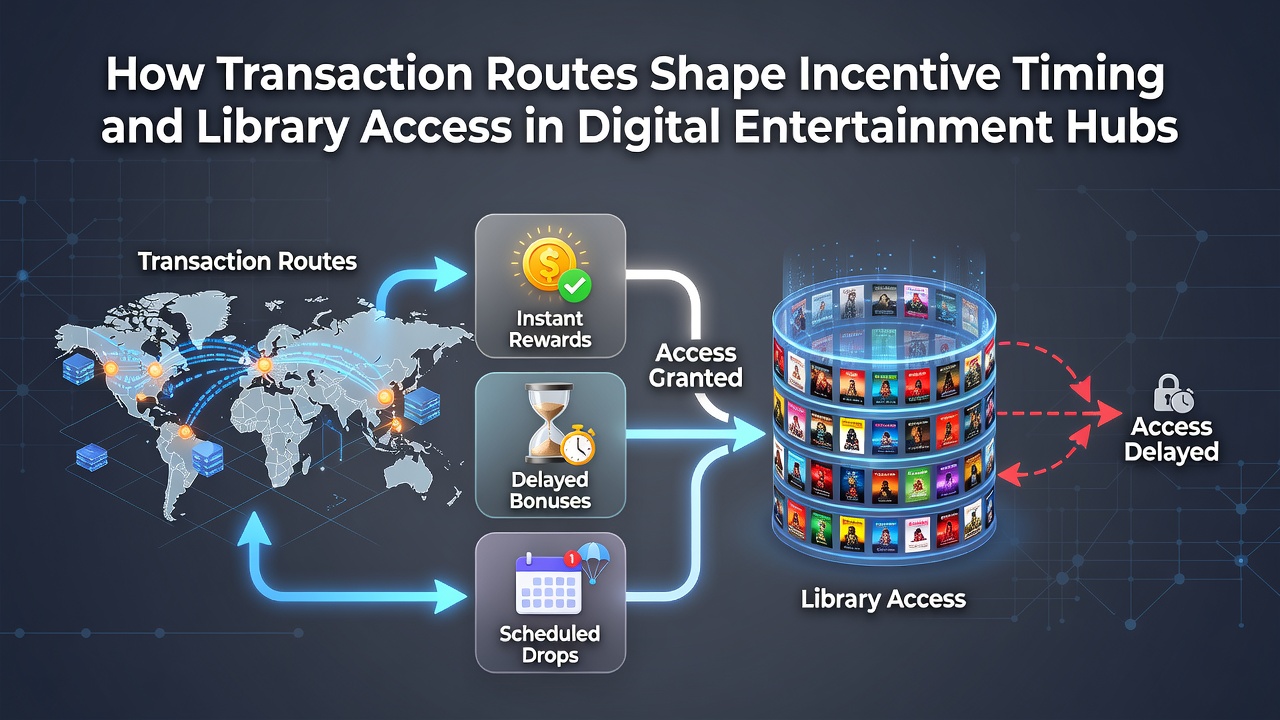
Transaction routes in digital entertainment hubs determine when users receive incentives and what parts of a library become available after a payment processes, since different methods carry distinct verification steps, settlement speeds, and compliance checks that platforms must follow. Observers note that these pathways connect directly to backend systems managing bonuses and content gates, creating measurable differences in access windows across regions and device types.
Payment Method Variations and Processing Timelines
Electronic wallets, bank transfers, and card-based options each follow separate authorization sequences that influence how quickly an incentive activates. Research from the American Gaming Association indicates that e-wallet routes often complete in under thirty seconds during July 2026 peak periods, whereas traditional bank transfers require additional clearing time that can stretch to several hours. Those who've examined platform logs find that this difference shifts the moment a bonus credit appears in a user profile, which in turn controls when new game categories unlock. Platforms integrate these timings into their rules engines so that faster routes trigger immediate promotional layers while slower ones hold content behind pending-status flags until funds settle.
Incentive Timing Mechanics Across Networks
Bonus deployment logic reads the transaction route identifier first, then applies time-based rules that vary by provider. Data from industry reports shows that certain routes bypass manual review entirely, allowing reward credits to post within the same minute a deposit confirms. Other routes route through enhanced anti-fraud layers, extending the interval before an incentive becomes usable. Experts tracking these patterns across multiple hubs observe that July 2026 updates to compliance frameworks in several jurisdictions further standardized these intervals, reducing variability but still leaving route-dependent gaps of five to forty minutes in some cases. The result appears in user dashboards where library sections remain grayed out until the incentive timer completes its cycle.
Library Access Controls Tied to Route Verification
Digital entertainment platforms maintain content libraries segmented by verification level, and transaction routes feed directly into those segmentation systems. When a route includes real-time identity confirmation, users gain entry to expanded catalogs sooner, whereas routes lacking instant verification keep premium titles locked until secondary checks finish. Studies conducted by academic researchers at institutions tracking mobile entertainment metrics reveal that this linkage produces consistent access differentials, with certain payment pathways unlocking thirty to fifty percent more titles within the first hour. Platform operators configure these gates through APIs that read route metadata alongside account history, ensuring that each completed transaction updates both balance and permission sets simultaneously.
Regional Compliance Influences on Route Selection
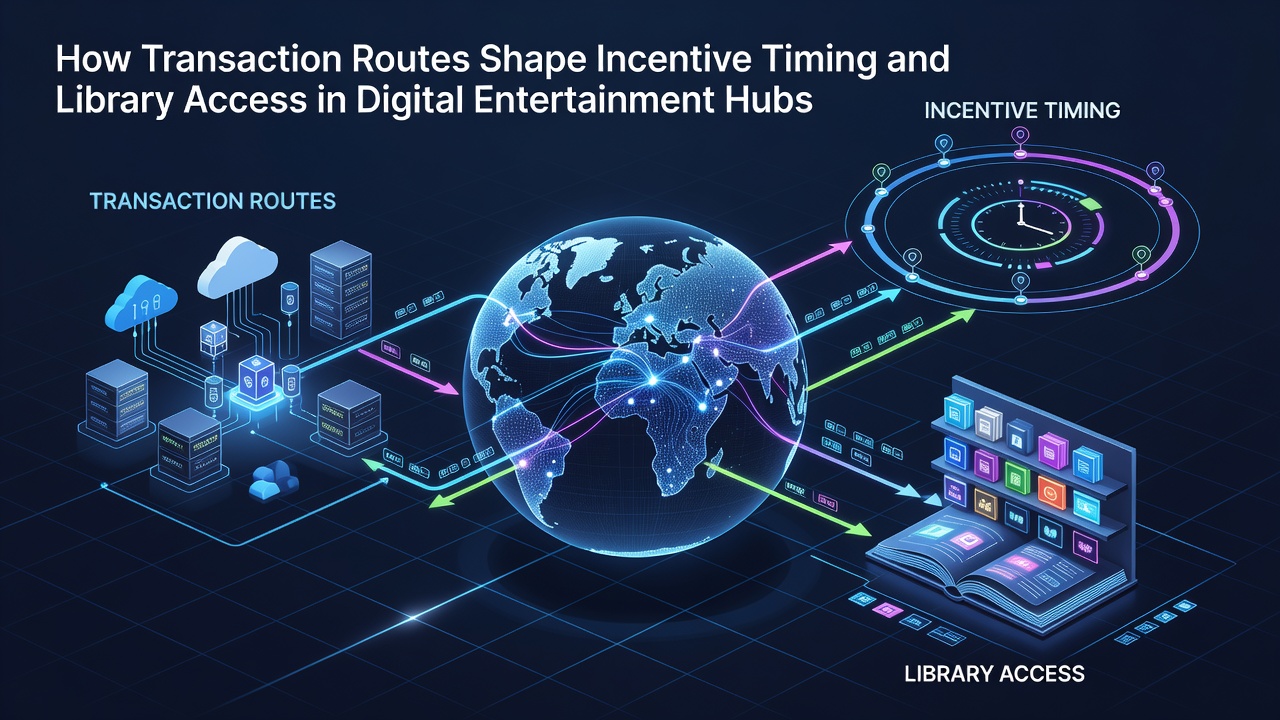
Regulatory environments in North America, Europe, and Asia-Pacific impose distinct requirements on how transaction data flows between payment processors and entertainment platforms. Figures released by the European Gaming and Betting Association illustrate that routes passing through licensed financial institutions in the EU often carry built-in compliance markers that accelerate both incentive release and library expansion. In contrast, routes originating from less integrated systems encounter additional checkpoints that delay the same processes by measurable intervals. Platform developers respond by offering route selectors that surface estimated completion times before users finalize a payment, allowing individuals to choose pathways aligned with their access priorities.
Profile Adjustments Following Route Completion
Once a transaction route finishes its cycle, platforms automatically adjust user profiles to reflect new status levels that govern ongoing incentive eligibility and library breadth. Those monitoring these adjustments report that successful fast routes frequently elevate profile tiers within minutes, granting recurring access to rotating content collections. Slower routes delay these tier updates until settlement confirmation arrives, creating temporary gaps in available selections. July 2026 platform analytics indicate that users who consistently select optimized routes experience fewer interruptions in both promotional timing and content availability compared with those relying on variable or legacy pathways.
Conclusion
Transaction routes serve as foundational inputs that platforms translate into precise timing for incentives and conditional access to library segments, with each route carrying its own verification overhead and settlement characteristics. Observers continue to document how these mechanics evolve alongside regulatory updates and technical integrations, producing predictable patterns that users navigate through deliberate selection of payment options. Data collected across multiple hubs confirms that the relationship between route choice, incentive activation, and content permissions remains a core operational feature of digital entertainment systems.