Mapping Incentive Networks in Portable Gaming: Connections Between User Setup, Library Exploration, and Retrieval Processes
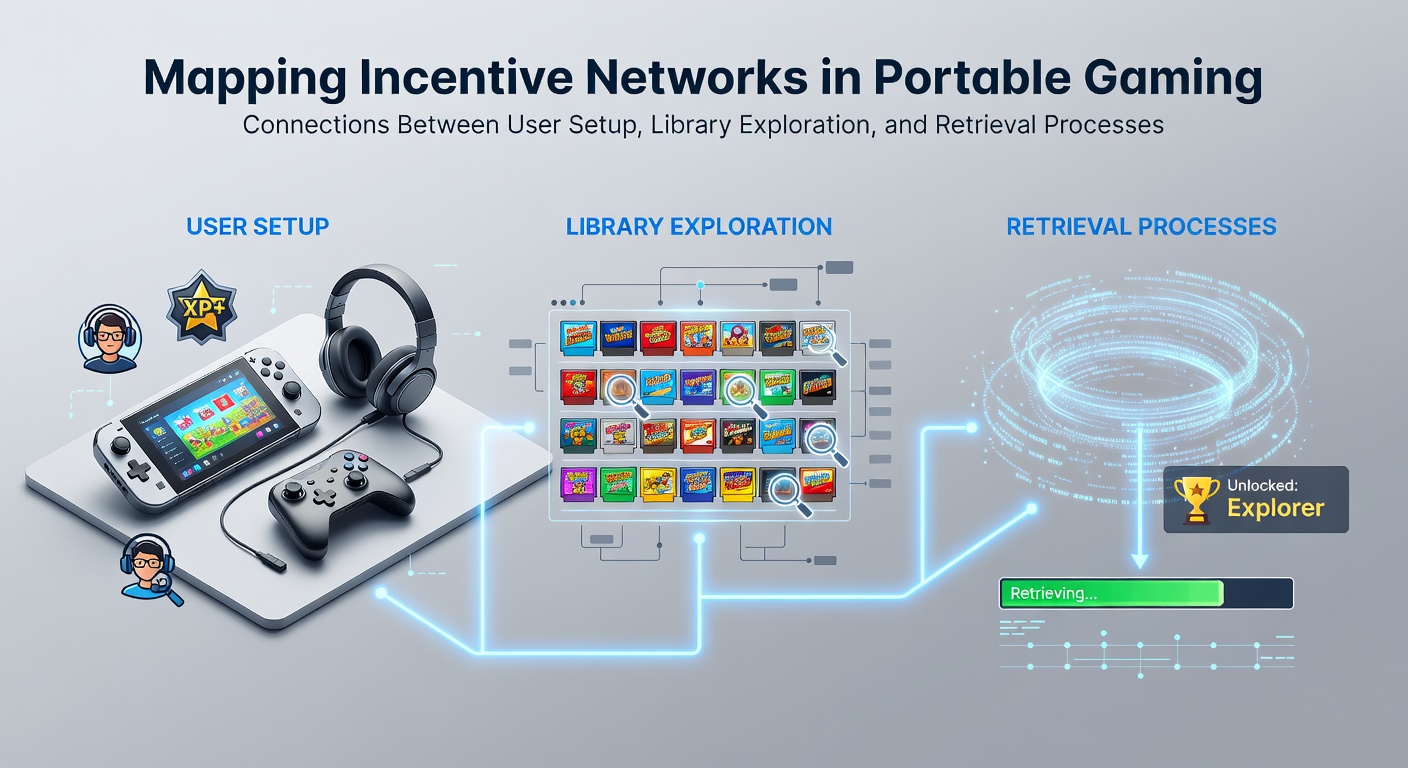
Portable gaming platforms organize incentive structures around three core elements that researchers track through network mapping techniques, and these systems link account initialization steps with content discovery mechanisms along with asset recovery sequences. Data from industry reports indicate that mobile applications in 2026 rely on layered reward pathways where initial user configurations trigger subsequent exploration prompts while retrieval functions close feedback loops for continued engagement.
User Setup as the Foundation for Incentive Pathways
Account creation processes in portable gaming environments establish the initial nodes in incentive networks through verification protocols, preference selections, and introductory reward allocations. Observers note that platforms collect demographic details and device specifications during setup which then calibrate the visibility of promotional layers across user libraries, and this calibration occurs because algorithms match player profiles to available content categories based on registration inputs. Studies from academic institutions such as those published through the University of Melbourne's digital media research group show that streamlined setup sequences correlate with higher rates of early-stage library access when users complete profile fields that unlock starter incentives like virtual currency bundles or trial access passes.
Library Exploration Mechanisms and Network Expansion
Once setup completes, exploration functions expand the incentive network by presenting categorized game selections, personalized recommendations, and progression-based rewards that encourage deeper browsing. These elements connect directly to initial configurations because preference data gathered earlier shapes recommendation engines which prioritize certain titles while deprioritizing others, creating dynamic pathways that adjust in real time. Figures from the Canadian Interactive Digital Media Association reveal that users who engage with exploratory interfaces during the first week after setup demonstrate increased interaction with retrieval features later, since exploration often surfaces time-limited offers that require specific actions to claim. Platforms integrate search filters, genre tags, and social sharing options within libraries so that navigation itself becomes part of the mapped incentive flow rather than a separate activity.
Retrieval Processes and Cycle Completion
Retrieval sequences represent the terminal nodes in these networks where accumulated incentives convert into usable forms such as redeemable credits, unlocked content, or transferred balances. These processes tie back to setup and exploration because successful retrieval depends on prior steps having populated the user's account with qualifying actions or points. Regulatory documentation from Australia's eSafety Commissioner highlights how portable gaming services maintain audit trails that link retrieval requests to earlier registration events and browsing patterns, ensuring compliance while also feeding data back into network optimization models. In May 2026, several major platforms updated their retrieval interfaces to include predictive notifications that alert users to pending claims based on their historical setup and exploration activity, which streamlines the final stage without altering the underlying connections.

Interconnections Across the Three Components
The mapped networks demonstrate bidirectional influences where setup choices affect exploration depth which in turn determines retrieval efficiency, while retrieval outcomes loop back to refine future setup prompts through machine learning adjustments. Researchers at the European Commission's Joint Research Centre have documented these patterns in reports on digital service design, noting that platforms use graph-based analytics to visualize how delays in one component, such as incomplete profile data, propagate through library visibility and reduce successful retrieval rates. One documented case involved a European mobile gaming provider that restructured its incentive mapping after analysis showed that users skipping certain setup fields encountered fragmented library options and lower redemption success, prompting the introduction of guided setup wizards that maintain network integrity across stages.
Device-specific factors further modulate these connections because portable environments introduce variables like screen size, operating system version, and connectivity stability that influence how setup interfaces render, how libraries load during exploration, and how retrieval confirmations process. Industry data aggregated by the Interactive Software Federation of Europe indicates that cross-device continuity features, introduced widely by early 2026, help preserve incentive network continuity when users switch between phones and tablets, thereby sustaining the linkages between the three processes regardless of hardware changes.
Conclusion
Mapping techniques applied to portable gaming incentive networks reveal structured dependencies among user setup, library exploration, and retrieval processes that platforms manage through integrated data systems. Evidence from regulatory bodies and research organizations demonstrates that these connections operate consistently across regions when platforms prioritize traceable pathways and adaptive interfaces. Continued observation of these networks supports refinements in how portable gaming services deliver consistent user experiences while meeting evolving technical and compliance standards.