The Expanding Ecosystem of Paid Online Gaming: Market Trends and Technological Integration
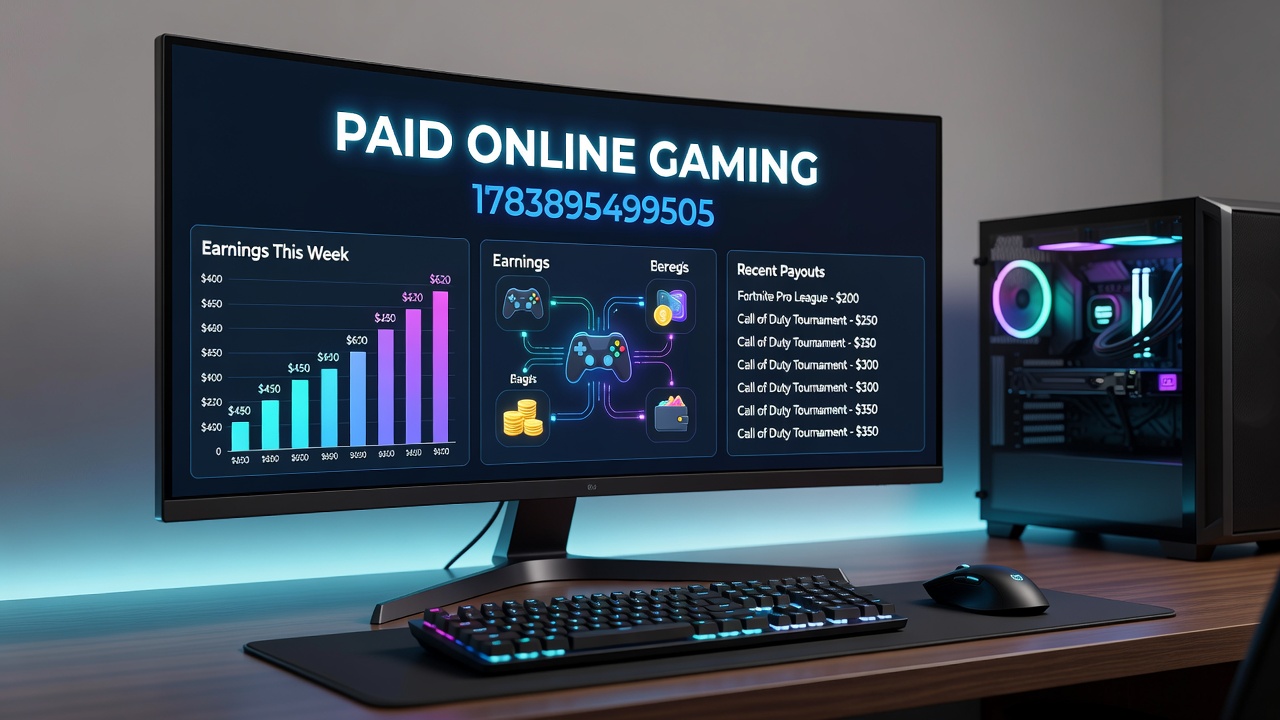
Paid online gaming encompasses a wide array of digital platforms where participants exchange real currency for access to games, in-game items, or competitive opportunities, and this sector has grown substantially through advancements in mobile technology and secure payment processing. Data from industry analyses indicate that global revenues from such activities reached significant levels by mid-2025, with projections pointing toward continued expansion through July 2026 as more regions adopt updated regulatory standards.
Market Growth and Player Demographics
Researchers at firms like Newzoo have documented steady increases in user bases across North America and Asia, where millions engage in paid formats ranging from battle passes to subscription services, while figures reveal that participants aged 18 to 35 represent the largest segment according to aggregated surveys. Economic contributions from these activities include job creation in software development and customer support, and analysts note that integration with broader entertainment industries has accelerated since 2023 because cross-platform compatibility allows seamless transitions between devices.
Payment methods have diversified considerably, incorporating digital wallets and cryptocurrency options alongside traditional credit systems, which has reduced transaction times and expanded accessibility in emerging markets. Observers point out that this evolution stems from partnerships between gaming companies and financial institutions, resulting in enhanced security protocols that comply with varying international standards.
Regulatory Developments Across Regions
Government agencies such as the Nevada Gaming Control Board in the United States have established frameworks that govern licensed operations, ensuring transparency in revenue reporting and player protections, whereas similar bodies in Australia and Canada have introduced measures focused on age verification and responsible spending tools. These regulations vary by jurisdiction yet share common elements like mandatory licensing and audit requirements, which help maintain operational integrity across borders.
Studies from academic sources, including reports issued by the University of Nevada's gaming research center, highlight correlations between structured oversight and reduced instances of unauthorized access, while data shows that compliant platforms often experience higher retention rates among users who value secure environments. In July 2026, upcoming updates to EU directives are expected to further standardize data privacy practices for online transactions, building on existing directives that already influence how platforms handle user information.
Technological Advancements Driving Engagement
Artificial intelligence algorithms now power personalized recommendation systems that analyze playing patterns to suggest relevant content, and this approach has proven effective in maintaining interest levels across diverse game libraries. Blockchain technology appears in select platforms for verifiable ownership of digital assets, although adoption rates differ based on regional infrastructure capabilities.

Cloud-based streaming services have lowered hardware barriers for participants, allowing high-quality experiences on standard devices without extensive downloads, and developers report that these innovations have broadened audience reach into areas previously limited by connectivity issues. Security enhancements through multi-factor authentication and real-time monitoring further support these systems by addressing potential vulnerabilities before they impact users.
Payment Processing and Financial Flows
Transaction ecosystems within paid online gaming rely on integrated gateways that handle deposits, withdrawals, and currency conversions with minimal latency, which benefits both operators and participants through streamlined processes. Industry organizations such as the European Gaming and Betting Association compile statistics showing average processing speeds under five minutes for verified accounts, a metric that has improved with the rollout of automated verification tools.
Case examples from platforms operating in multiple countries demonstrate how localized payment options, including region-specific bank transfers, increase conversion rates from free trials to paid subscriptions, and this pattern holds true across different economic contexts. Financial tracking features embedded in user dashboards provide detailed breakdowns of expenditures, aligning with broader efforts to promote informed decision-making among players.
Future Projections and Industry Adaptations
Market forecasts suggest that by July 2026, the paid online gaming sector could incorporate more augmented reality elements into monetized experiences, driven by hardware improvements from major manufacturers, and this development builds on current trends in interactive content delivery. Adaptations in business models, such as hybrid free-to-play structures with optional premium tiers, continue to evolve based on user feedback loops and performance metrics gathered through analytics platforms.
Collaborations between tech firms and regulatory entities have led to standardized reporting tools that simplify compliance across international operations, while research from institutions like the University of Sydney's digital economy group indicates potential for expanded educational applications within gaming frameworks. These shifts reflect ongoing responses to technological and societal changes that shape how paid interactions unfold in digital spaces.
Conclusion
The paid online gaming landscape continues to mature through combined influences of market expansion, regulatory refinement, and technological progress, creating interconnected systems that support sustained participation worldwide. Evidence from multiple sources underscores the sector's role in broader digital economies, with ongoing developments set to influence accessibility and operational standards well beyond 2026.