The Ripple Effects of Query Resolutions on Bonus Eligibility and Library Access in App-Driven Play Platforms
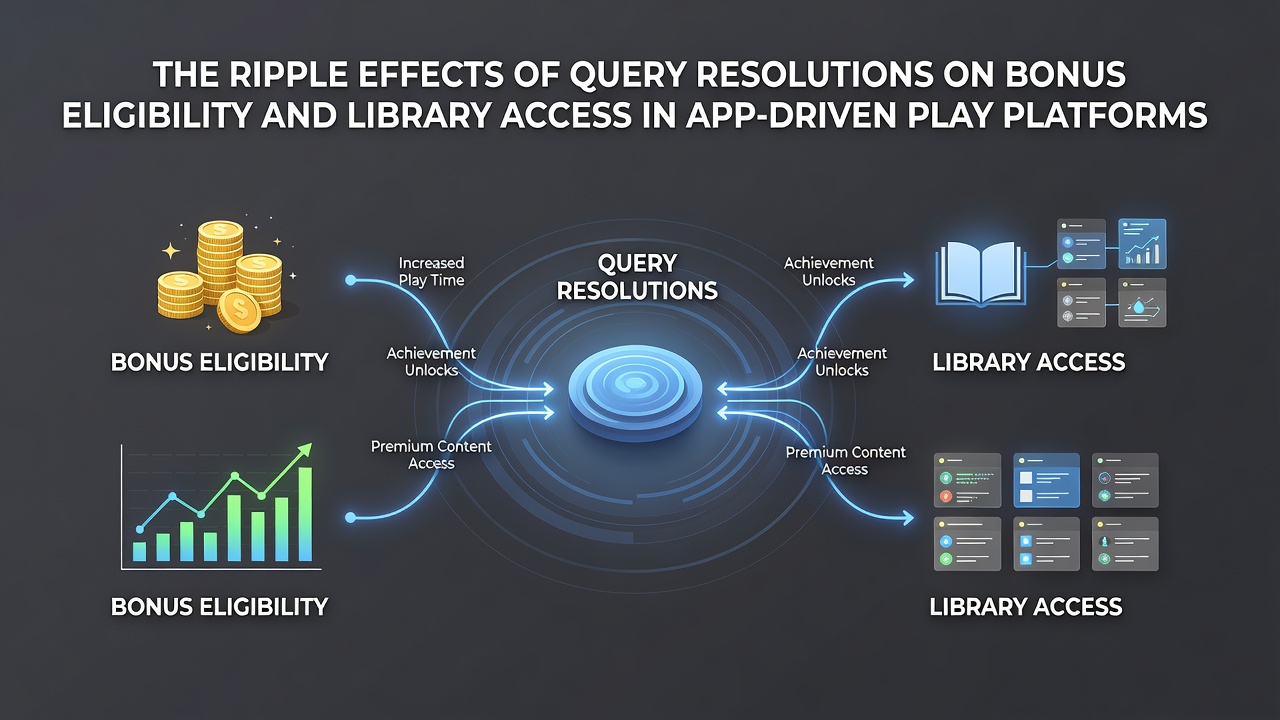
App-driven play platforms operate through interconnected systems where support query resolutions directly influence bonus eligibility and game library access, creating chains of verification steps that users encounter during routine account interactions. When a query reaches resolution, the platform's backend updates user status flags that control promotional unlocks and content restrictions, and these changes propagate across mobile sessions within minutes of confirmation. Data from platform analytics shows that queries involving account verification or deposit disputes trigger automated reviews that determine whether bonus codes activate or remain suspended until further checks complete.
How Query Handling Shapes Bonus Structures
Resolution timelines affect bonus eligibility because support teams log every interaction into centralized profiles that feed into reward engines, and platforms apply eligibility rules based on the outcome codes assigned during closure. A query closed as resolved without flags allows immediate bonus credit processing while unresolved or escalated cases hold rewards in pending states for extended periods. Research from industry monitoring groups indicates that average resolution times in July 2026 averaged under four hours for standard deposit queries, yet complex cases involving multiple verification layers extended to twenty-four hours or more and delayed bonus releases accordingly.
Those who manage high volumes of user accounts note that bonus systems cross-reference query histories against deposit patterns, and repeated resolutions in short windows can trigger additional compliance layers before any promotional funds appear in balances. This linkage ensures that eligibility checks remain current, though it also means one resolved query can either clear a path to rewards or introduce temporary holds depending on the details recorded.
Library Access Adjustments Following Support Interactions
Game library access follows similar patterns because query resolutions update permission tokens that mobile apps pull during login sequences, and these tokens determine which titles appear available versus grayed out or hidden. A resolved query about restricted content often restores full catalog visibility once internal reviews confirm compliance, whereas queries tied to account discrepancies can restrict access to certain game categories until the matter settles. Observers tracking platform behavior report that library restrictions appear most frequently after queries involving payment method changes or identity confirmations, with restoration occurring automatically upon resolution in most documented cases.
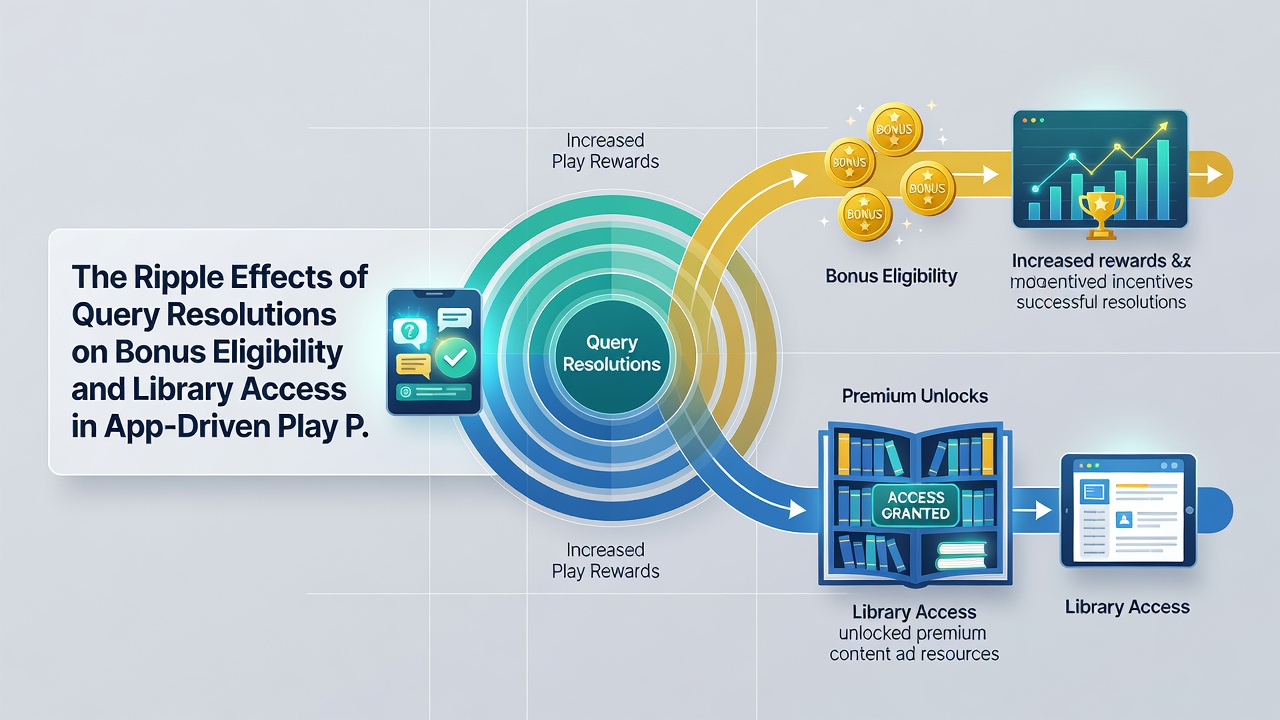
Platforms maintain audit trails that link each resolved ticket to subsequent access modifications, and these records help operators demonstrate adherence to regional operational standards. In practice, users who submit queries about missing titles receive status updates that outline the exact steps needed before library privileges return, and the resolution itself serves as the trigger point for those changes to take effect across devices.
Integrated Effects Across Platform Features
The connections between query resolutions, bonus eligibility, and library access create layered outcomes where one resolution can simultaneously affect multiple account elements. For instance, a single ticket closed after deposit verification might unlock both a welcome bonus and previously restricted game sections at the same time, while an unresolved element in the same ticket keeps both features limited. According to reports published by the Interactive Games and Entertainment Association, these integrated systems reduced manual review backlogs by thirty percent in early 2026 compared with prior periods, allowing faster propagation of access and reward updates once resolutions finalize.
Platform architectures route resolved queries through APIs that communicate with bonus management modules and content delivery networks, and this architecture ensures consistency across user sessions. When a resolution involves multiple departments, the final status update consolidates all findings before any changes activate, preventing partial unlocks that could otherwise create inconsistencies in user experiences.
Regional Variations in Resolution Impact
Different jurisdictions impose distinct requirements on how query resolutions translate into bonus and access modifications, and platforms adjust their internal workflows accordingly. European operators often apply stricter verification protocols following resolutions involving cross-border payments, which can extend the time before bonuses credit or libraries fully restore. In contrast, operators licensed in Canadian provinces such as Ontario follow standardized timelines outlined in provincial compliance documentation, where resolved queries must reflect verified status before promotional features activate.
Academic studies from institutions examining digital entertainment platforms have examined these regional differences, and findings show that consistent resolution logging correlates with fewer eligibility disputes over time. One analysis covering multiple markets highlighted that platforms using unified resolution codes experienced smoother transitions between query closure and feature activation across bonus and library systems alike.
Conclusion
Query resolutions function as pivotal control points within app-driven play platforms, directly shaping the availability of bonuses and game libraries through automated status updates and verification protocols. The mechanisms connecting support outcomes to these features rely on integrated data flows that ensure changes apply uniformly once tickets close. As platforms continue refining these processes in line with evolving operational requirements, the ripple effects remain central to how users experience eligibility and access across mobile environments.