The Synchronization of Enrollment Procedures with Incentive Programs and Disbursement Protocols in Wireless Amusement Networks
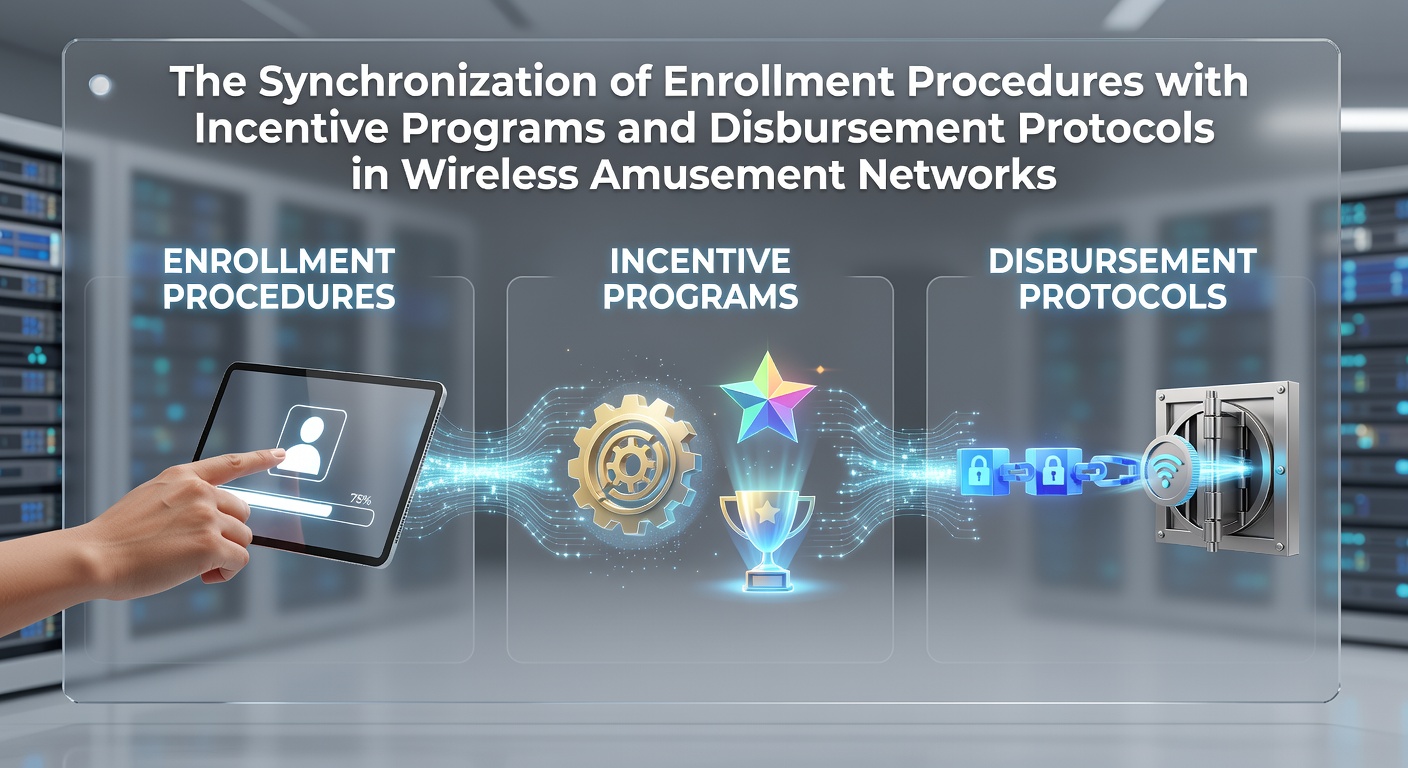
Wireless amusement networks rely on coordinated systems that align user enrollment with incentive delivery and subsequent fund disbursement, creating streamlined pathways from initial registration through reward activation to cash retrieval. Operators design these frameworks to reduce friction while maintaining compliance across mobile platforms, where data flows between account creation modules, promotional engines, and financial settlement layers must occur without interruption. Research from regional gaming authorities indicates that synchronized processes lower abandonment rates during sign-up sequences by linking verification steps directly to eligibility checks for welcome incentives.
Enrollment Procedures in Mobile Environments
Account setup in wireless amusement networks begins with device authentication and identity verification protocols that feed directly into centralized databases, allowing subsequent incentive programs to activate based on completed fields such as payment method linkage or geographic confirmation. These procedures incorporate multi-factor checks that pull from telecom records and third-party services, ensuring that new users receive tailored bonus eligibility flags within seconds of profile completion. Data compiled through May 2026 reveals that networks employing real-time API handshakes between enrollment servers and incentive ledgers achieve higher conversion from registration to first deposit compared with segmented systems.
Integration of Incentive Programs
Incentive structures activate through conditional triggers embedded in the enrollment pipeline, where parameters like deposit thresholds or game selection criteria automatically populate user dashboards upon successful verification. Operators configure these layers to recognize wireless-specific variables such as network latency or device type, adjusting reward tiers accordingly while routing confirmation data to backend compliance modules. Studies conducted by academic institutions in North America demonstrate that such synchronization prevents duplicate bonus claims and maintains audit trails that satisfy oversight requirements from bodies like the New Jersey Division of Gaming Enforcement.
What's notable is how these programs often embed disbursement rules at the incentive assignment stage, so that wagering requirements and expiry conditions are calculated and stored alongside the reward itself. This approach reduces later reconciliation errors when users initiate withdrawals, because the same protocol engine that issued the incentive also tracks its fulfillment status in a unified ledger. Industry reports from the European Gaming and Betting Association highlight that integrated tracking has become standard in networks serving multiple jurisdictions, where cross-border transaction rules demand consistent data formatting from enrollment onward.
Disbursement Protocols and Their Linkages
Fund retrieval sequences in wireless amusement networks operate through the same synchronized architecture, pulling verified balances and completed incentive conditions from the enrollment-linked database to authorize transfers via banking partners or digital wallets. Protocols enforce sequential checks that reference original registration data, ensuring that any incentive-related holds are released only after all criteria are met. Observers note that networks utilizing unified data schemas experience fewer delays during high-volume payout periods, since disbursement requests inherit status flags established during earlier enrollment and incentive stages.

Technical Synchronization Mechanisms
Backend orchestration relies on event-driven architectures where enrollment events publish messages to incentive and disbursement queues simultaneously, allowing parallel processing while maintaining transactional consistency across distributed wireless nodes. Middleware solutions monitor these message flows for latency spikes or data mismatches, triggering fallback procedures that preserve user session continuity. Figures from Canadian provincial regulators show measurable improvements in settlement times when such messaging layers replace sequential batch processing inherited from legacy land-based systems.
Security layers wrap each synchronization point with encryption standards that protect sensitive enrollment details as they transit to incentive calculation engines and onward to disbursement validators. Tokenization techniques replace direct account identifiers during these exchanges, reducing exposure while still permitting the protocol stack to verify eligibility chains from initial registration through final fund release. Researchers at specialized gaming technology centers have documented how these measures scale effectively in networks supporting thousands of concurrent mobile sessions.
Operational Outcomes Across Regions
Networks operating in Australia have adopted similar synchronization models to accommodate strict responsible gambling overlays that require enrollment data to inform both incentive limits and withdrawal velocity controls. Real-time dashboards surface these constraints to users immediately after registration, with the same data objects later governing automated payout approvals. Regulatory filings indicate steady adoption of these unified frameworks as operators expand their wireless offerings into additional markets.
Conclusion
The synchronization of enrollment procedures with incentive programs and disbursement protocols continues to shape operational efficiency in wireless amusement networks through tightly coupled data flows and event triggers. Evidence from regulatory and academic sources points to measurable gains in processing consistency and compliance traceability when these components operate as an integrated whole rather than isolated modules. Continued refinement of these linkages supports the expansion of mobile gaming infrastructure while meeting evolving oversight standards across jurisdictions.