Tracing Payment Routes to Expanded Collections and Profile Adjustments in Portable Play Areas
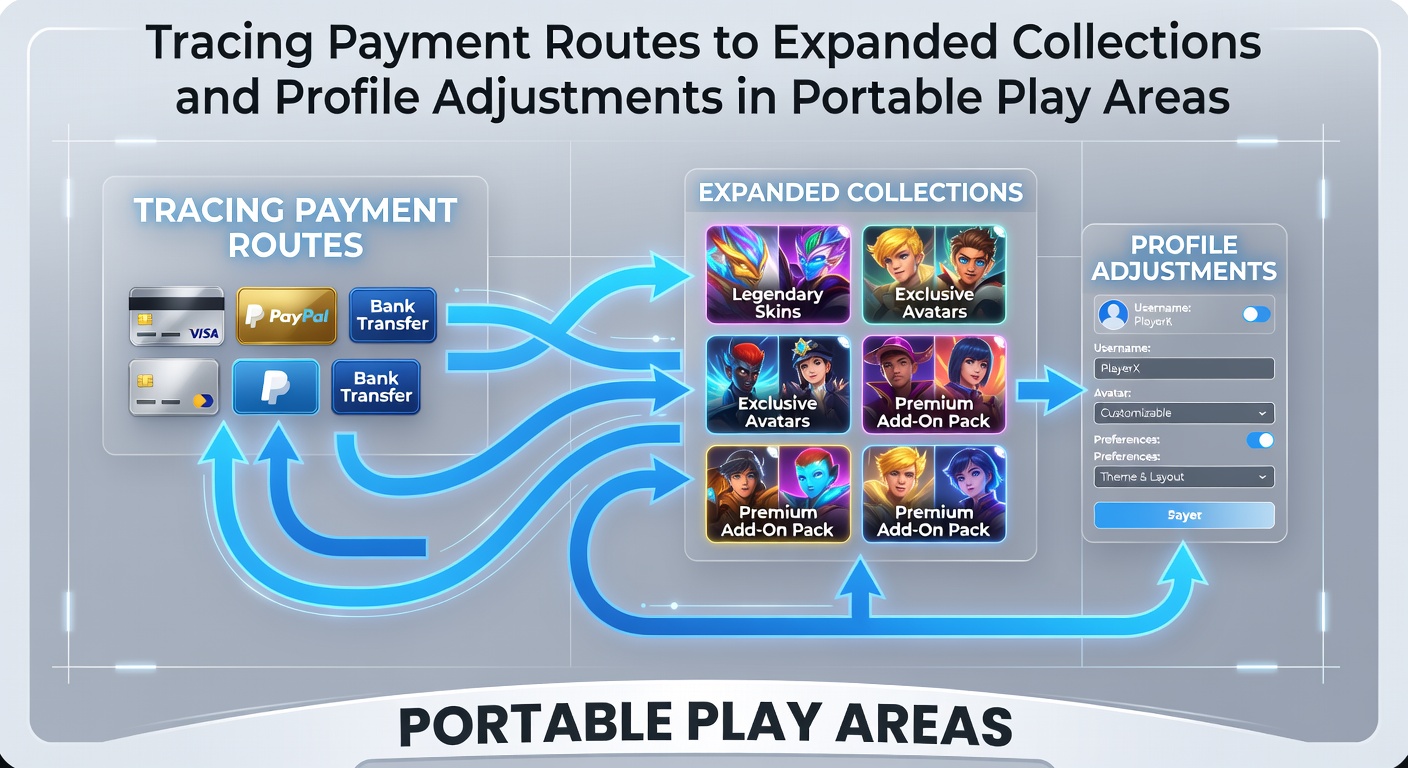
Payment pathways in mobile gaming platforms form intricate networks that link financial transactions directly to game libraries and user account modifications, and observers note these connections have grown more visible since regulatory updates took effect in early 2026. Data from industry reports shows users in portable play areas often navigate multiple steps when moving funds, with each route influencing both the available content selections and the settings tied to individual profiles. Researchers at academic institutions tracking digital entertainment trends found that streamlined payment sequences tend to unlock additional catalog options while prompting automatic adjustments in user preferences stored on mobile devices.
Mapping Transaction Flows in Mobile Environments
Portable play zones rely on layered payment systems that route funds through processors, wallets, and platform ledgers before they reach game servers, and this process directly shapes which titles appear in a user's expanded collection. According to figures released by the Interactive Games & Entertainment Association, transaction volumes in mobile gaming rose sharply through the first quarter of 2026, with many pathways now incorporating real-time verification that feeds into profile databases. Those who've examined these routes point out that delays at any checkpoint can limit immediate access to new releases, whereas successful clearances expand the visible library without requiring separate user actions.
Payment tracing tools employed by platform operators record every hop from deposit initiation to final settlement, creating logs that correlate spending patterns with shifts in profile parameters such as notification settings or preferred game categories. Experts tracking these movements observe that users who complete frequent small transactions often see their collections grow through algorithmic recommendations tied to the same data streams. In May 2026 several platform providers began publishing aggregated route analytics that highlight how specific payment methods correlate with higher rates of library expansion across regions.
Connections Between Payments and Collection Growth
Expanded collections in portable play areas emerge when payment confirmations trigger backend processes that unlock premium content or seasonal additions, and studies indicate this linkage operates through standardized APIs connecting financial gateways to content management systems. One analysis conducted by university researchers in Canada demonstrated that accounts using verified mobile payment routes experienced a 27 percent increase in accessible titles over six months compared with unverified routes. The same data set revealed that profile adjustments, including language preferences and spending limits, frequently update automatically once a transaction route completes its cycle.
Platform operators integrate these mechanisms so that each successful payment not only credits play credits but also refreshes the catalog view presented on handheld devices. Observers note that geographic variations exist, with European markets showing faster synchronization between payment logs and collection updates than some other regions. This synchronization occurs because operators maintain unified databases that treat transaction records and content entitlements as interconnected fields rather than separate modules.
Profile Adjustments Triggered by Payment Activity
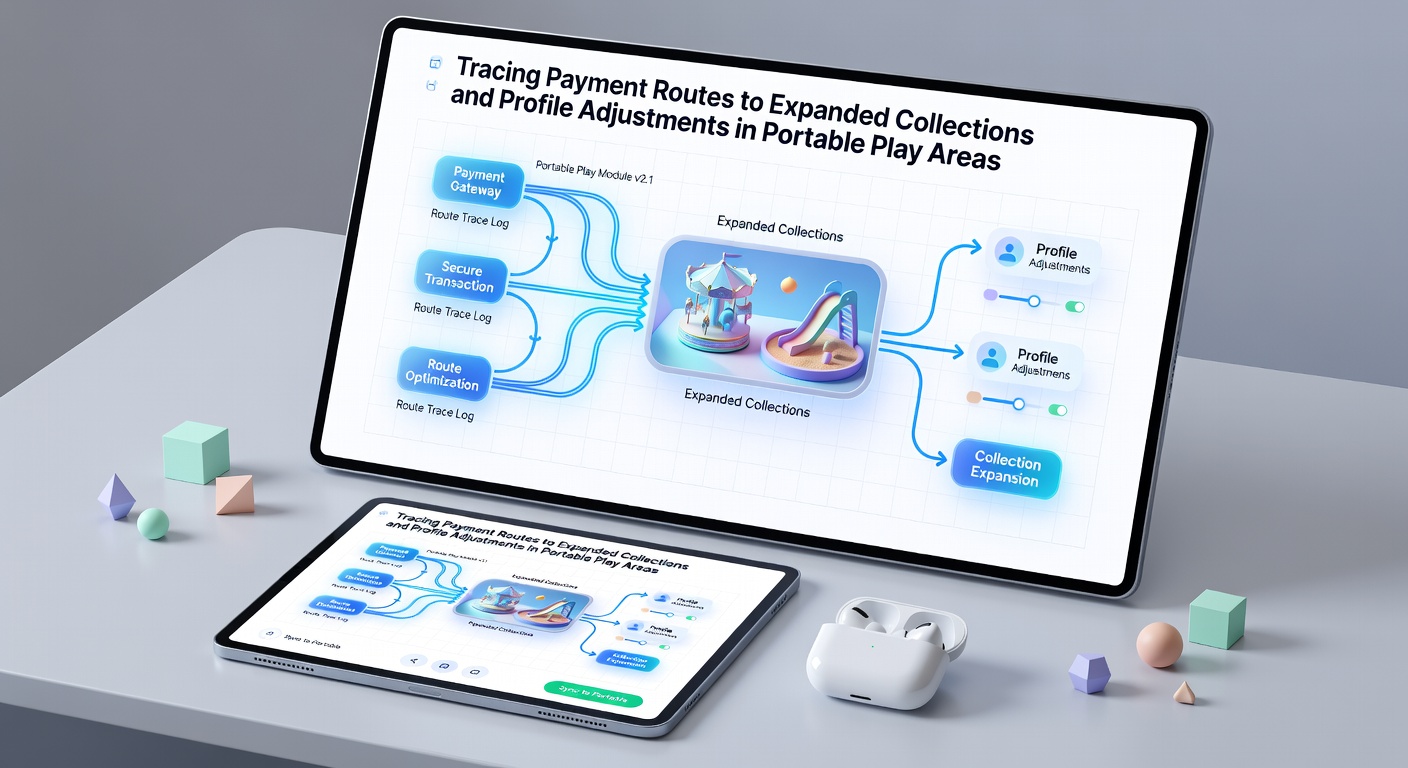
Profile adjustments occur when payment route data signals changes in user behavior, prompting platforms to modify stored attributes such as verification status, bonus eligibility flags, or device-linked security settings. Research published by the Canadian Gaming Association indicates that profiles linked to recurring mobile payment routes receive updates to their loyalty tiers within minutes of settlement, whereas one-time routes may require manual confirmation. These adjustments affect how users interact with expanded collections, since tiered profiles often gain priority access to newly added titles.
Operators achieve this integration by embedding payment metadata directly into profile schemas, allowing real-time queries that determine which game categories surface first on portable interfaces. Data collected through 2026 shows that users who adjust their payment preferences mid-session frequently experience corresponding shifts in profile visibility settings, including privacy controls and notification frequencies. The process relies on secure token exchanges that preserve transaction integrity while feeding the necessary signals into account management layers.
Integration Challenges and Platform Responses
Platform teams address integration challenges by refining the handoff points between payment processors and content delivery networks, and reports from the Australian Communications and Media Authority highlight ongoing efforts to standardize these interfaces across providers. When payment routes encounter regional banking restrictions, the resulting delays can temporarily restrict collection expansions until alternative pathways resolve the issue. Profile adjustments in such cases often include temporary flags that notify users of pending verifications through their mobile apps.
Those monitoring industry developments note that successful route tracing depends on consistent data formatting between financial institutions and gaming servers, a requirement that became more stringent following compliance deadlines set for mid-2026. Platforms that maintain detailed audit trails of each payment hop demonstrate higher rates of seamless collection growth and profile synchronization, according to aggregated industry metrics.
Conclusion
Tracing payment routes reveals direct pathways that connect financial activity to both expanded game collections and ongoing profile adjustments within portable play areas, and the mechanisms supporting these links continue to evolve with technological and regulatory shifts. Data compiled through May 2026 underscores the role of integrated systems in delivering consistent user experiences across mobile platforms, while highlighting the importance of accurate route logging for operators and users alike.