Unveiling Ties Between Funding Routes, Selection Options, and Assistance Networks in Smartphone Entertainment Hubs
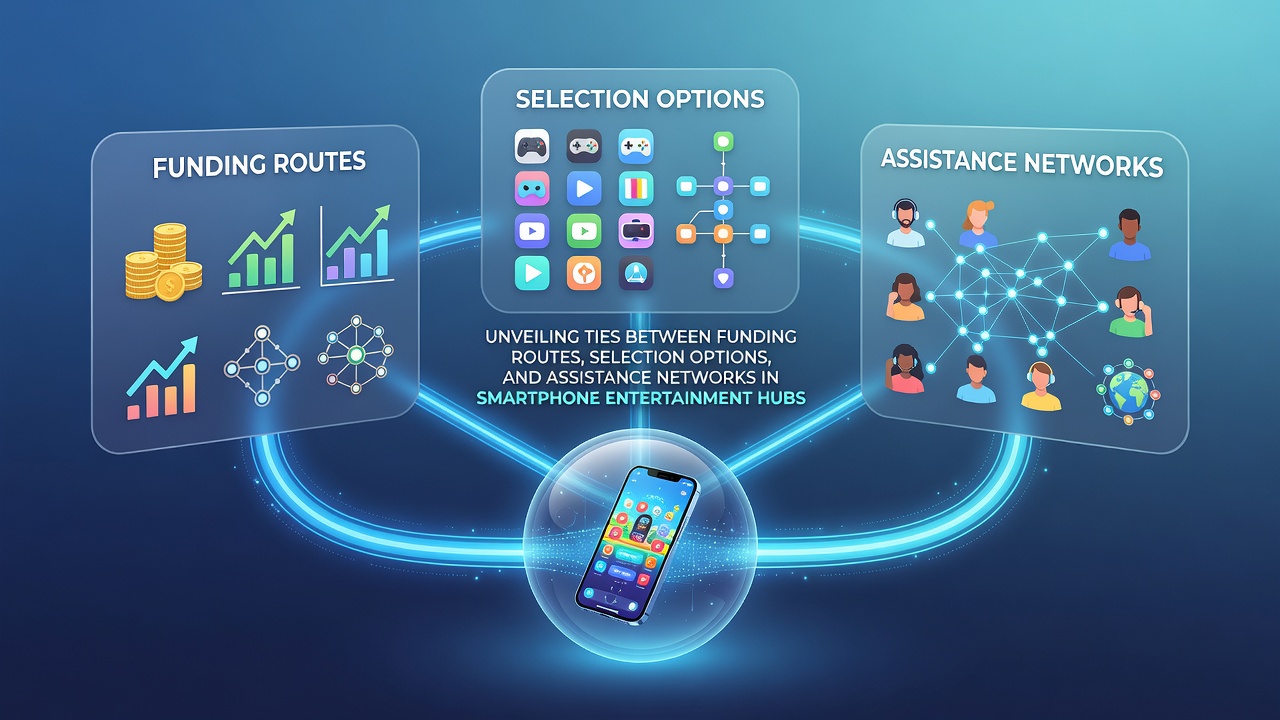
Smartphone entertainment hubs connect funding routes directly to selection options and assistance networks through integrated systems that process transactions, curate content libraries, and route user queries in coordinated sequences. These platforms operate across regions where regulatory frameworks shape how deposits unlock specific game catalogs while support channels handle resulting account adjustments.
Funding Routes and Their Structural Links to Platform Operations
Payment methods such as bank transfers, digital wallets, and prepaid cards form the entry points that determine access levels within mobile entertainment applications. Data from industry reports shows these routes influence processing times and verification requirements, which in turn affect how quickly users reach different sections of game libraries. As of June 2026, platforms report average deposit confirmation windows ranging from instant for e-wallets to several hours for traditional bank channels, according to figures compiled by the European Gaming and Betting Association.
Observers note that funding choices often trigger automated filters on available selections, where certain deposit types activate premium categories or restrict others based on regional compliance rules. This linkage appears in transaction logs that map each completed transfer to subsequent browsing patterns within the same user session.
Selection Options Shaped by Transaction Pathways
Game libraries in these hubs expand or contract depending on the funding method employed during account funding stages. Research from academic studies at institutions like the University of Sydney indicates correlations between deposit source and content exploration depth, with users employing cryptocurrency routes showing higher engagement rates in specialized simulation categories compared to those using card-based systems. Selection interfaces update dynamically after each verified transaction, presenting tailored recommendations drawn from aggregated user data across similar funding profiles.
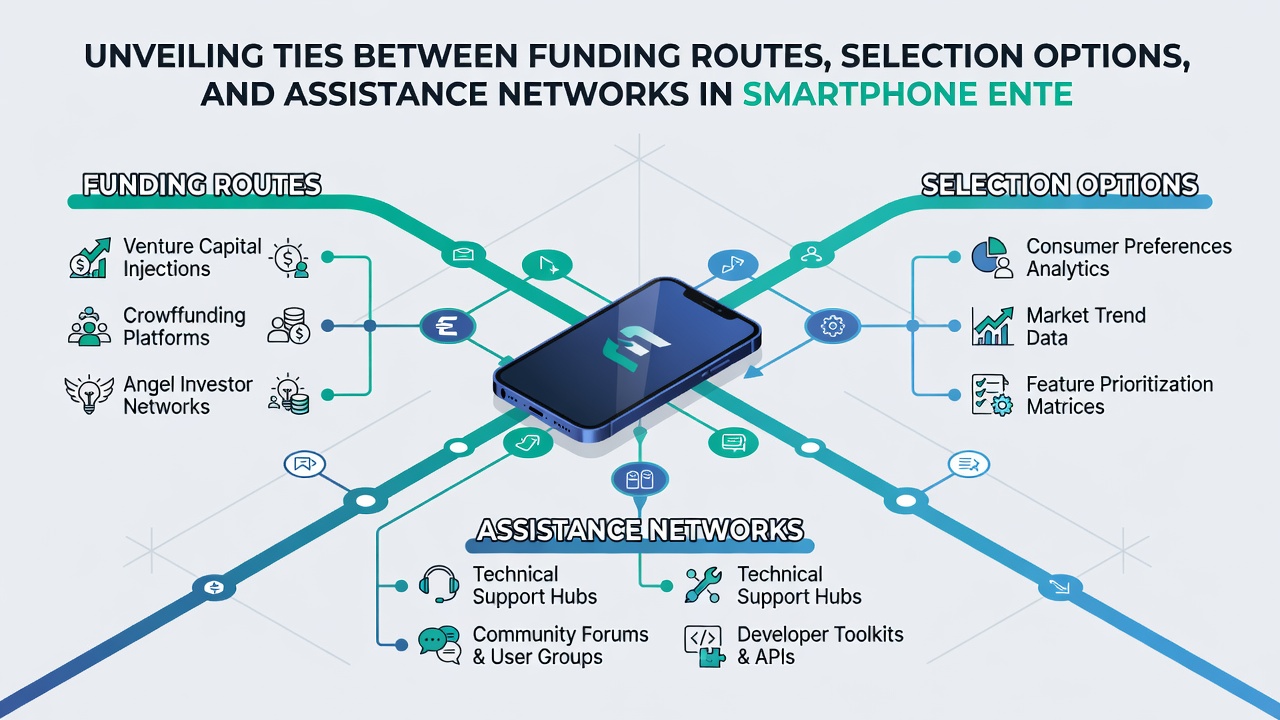
Those who've analyzed platform algorithms find that selection options incorporate real-time adjustments tied to payment history, creating pathways where frequent use of specific routes unlocks additional titles or modifies display orders. This process relies on backend databases that cross-reference transaction records with content metadata to maintain consistent user flows across devices.
Assistance Networks as Connectors Across Systems
Support channels integrate with both funding mechanisms and selection tools to resolve discrepancies that arise during transitions between payment confirmation and game access. Live chat systems, ticket submissions, and automated response bots draw from unified databases that include deposit details and catalog interactions, allowing agents to address issues such as delayed unlocks or restricted library views in single interactions. Figures from the Interactive Games Association reveal that platforms handling over 50,000 monthly queries maintain dedicated teams trained on these interlinked components.
Assistance networks activate most frequently following funding route changes or when users explore new selection branches, with response protocols designed to reference transaction IDs and game identifiers simultaneously. This coordination reduces resolution times by routing queries to specialists familiar with both financial processing and content management layers.
Interconnected Patterns in Daily Platform Use
Patterns emerge when funding routes initiate sequences that affect selection visibility and simultaneously generate support tickets if mismatches occur. Platform analytics track these chains through timestamped events, showing how a single deposit can influence multiple downstream actions within entertainment hubs. Regulatory bodies in regions like Canada have documented similar operational flows in compliance reviews, highlighting the need for synchronized data handling across these elements.
Users encounter these ties during account setup phases where initial funding determines baseline selection access, after which assistance networks provide guidance on expanding options through verified additional routes. The structure ensures that each component feeds information into the others, creating closed loops that maintain platform stability amid varying transaction volumes.
Conclusion
The ties between funding routes, selection options, and assistance networks in smartphone entertainment hubs operate through shared data systems that process transactions, curate libraries, and manage queries in sequence. These connections reflect standard practices observed across multiple platforms as of June 2026, supported by reports from organizations tracking mobile entertainment trends worldwide. Continued examination of these links reveals how operational efficiency depends on seamless integration among the three areas.