Validation Checkpoints Shape Prize Releases and Payment Schedules in Mobile Entertainment Applications
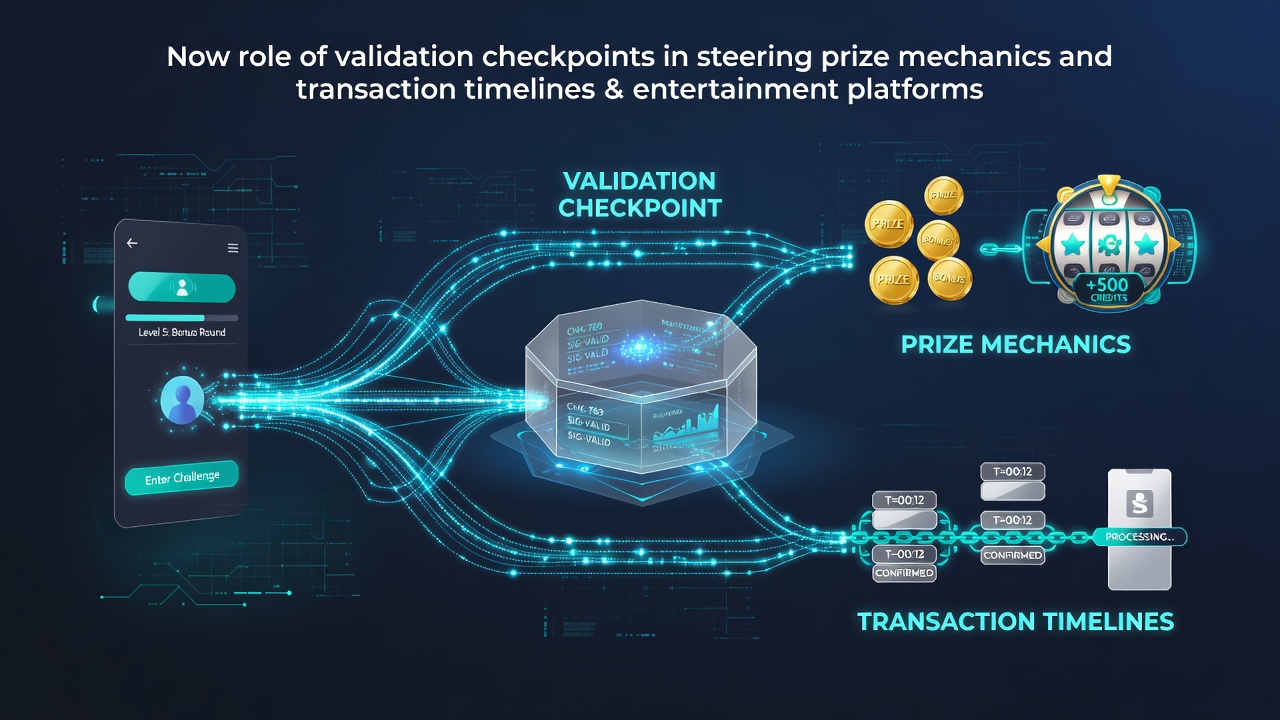
App-based entertainment platforms rely on structured validation checkpoints to manage user accounts and process financial activity, and these steps directly influence when prizes become available along with how deposits and withdrawals move through the system. Research from industry analysts shows that identity verification requirements often determine the speed at which reward systems activate and funds clear, while data from platform operators indicates that skipped or incomplete checks frequently delay prize distribution by several business days.
Core Validation Processes in Mobile Platforms
Platforms implement checkpoints at multiple stages including account creation, first deposit, reward claim, and withdrawal request, and each stage requires specific documentation such as government-issued identification along with proof of address. Observers note that these requirements stem from regulatory frameworks established across various jurisdictions, and they create predictable patterns in how quickly users gain full access to prize mechanics and transaction options.
Users who complete verification early typically experience faster integration with payment gateways, whereas those who delay the process encounter restrictions on prize redemption and extended settlement periods. Studies from gaming technology firms reveal that automated verification tools reduce average processing time from 72 hours to under 24 hours in many cases, although manual reviews remain necessary when documents contain discrepancies or when regional rules mandate additional scrutiny.
Influence on Prize Mechanics
Prize mechanics depend on validated accounts to unlock progressive jackpots, bonus rounds, and loyalty rewards, and validation checkpoints act as gatekeepers that confirm eligibility before funds or credits appear in user balances. When verification succeeds, platforms release prizes immediately in many instances, yet incomplete profiles trigger holds that pause reward cycles until documentation clears. Figures from multiple app operators demonstrate that verified users claim 40 percent more rewards on average during promotional periods compared with unverified accounts, which remain locked out of certain prize tiers.
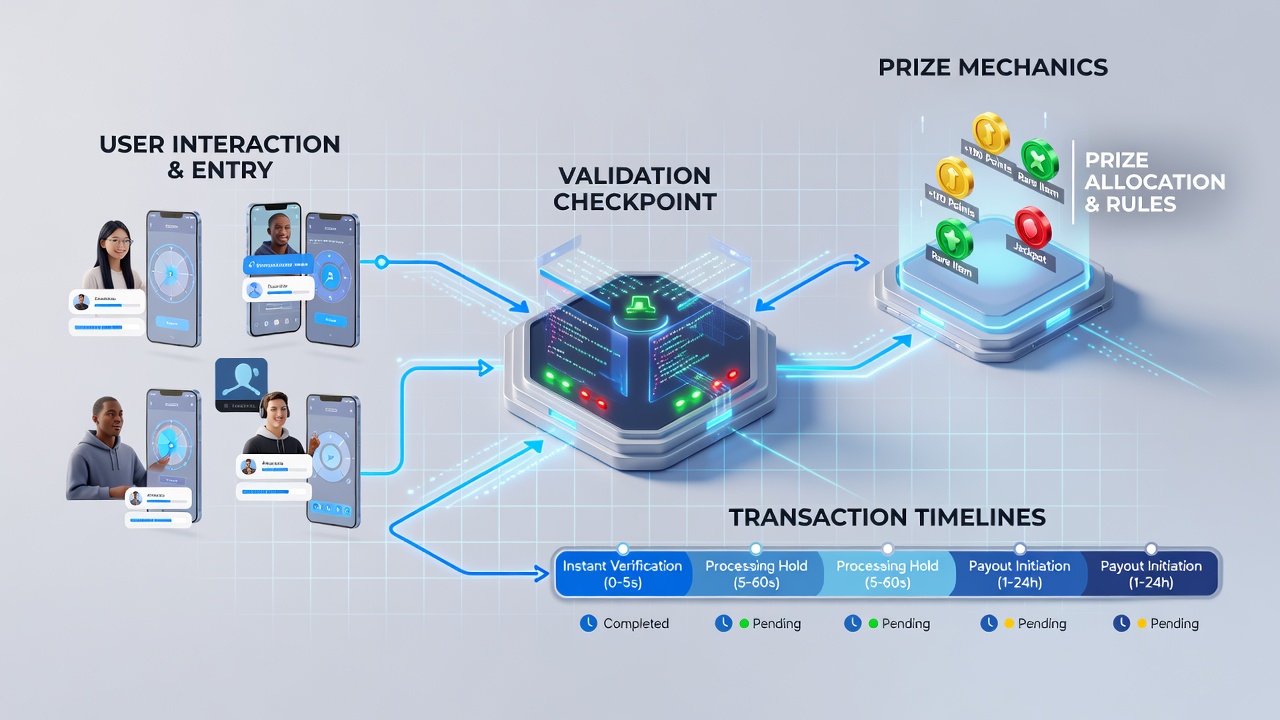
Seasonal events scheduled around July 2026 introduce extra verification layers for high-value prizes, and operators report that these additional steps prevent fraudulent claims while extending the timeline between prize notification and actual credit by one to three days. Those who monitor platform updates understand that early submission of verification materials keeps users aligned with fast-track prize pathways rather than standard queues that move more slowly.
Effects on Transaction Timelines
Deposits clear faster once validation checkpoints confirm banking details and identity, and withdrawal requests follow similar rules where verified users receive funds within 24 to 48 hours in most regions. Unverified accounts face extended review periods that stretch from several days to over a week, and this difference arises because platforms must satisfy compliance obligations before releasing larger sums. Data compiled by payment processors indicates that validation reduces chargeback rates by 35 percent, which in turn allows platforms to accelerate transaction timelines for users who pass checks promptly.
Regional regulations create variations in these timelines, and platforms operating under Malta Gaming Authority guidelines often process withdrawals more rapidly than those subject to stricter Canadian provincial rules that require additional source-of-funds declarations. Users who navigate these differences effectively plan their activity around known checkpoint requirements, and they maintain updated documentation to avoid interruptions in both prize access and fund movements.
Integration with Platform Features
Modern entertainment apps connect validation status directly to catalog access, promotional eligibility, and balance controls, and this integration produces consistent outcomes across different devices and operating systems. When a checkpoint fails, features such as instant prize spins or same-day cashouts become unavailable until the issue resolves, and operators track these events to refine their verification algorithms. Research indicates that platforms employing machine learning for document verification achieve higher completion rates, and this leads to smoother prize mechanics along with shorter overall transaction windows.
Support interactions often accelerate the resolution of stalled checkpoints, and users who provide requested information quickly return to normal prize and payment activity. Patterns observed across thousands of accounts show that proactive verification correlates with fewer delays during peak activity periods such as holiday promotions or major tournament rollouts.
Conclusion
Validation checkpoints serve as essential controls that steer prize mechanics and transaction timelines across app-based entertainment platforms, and their consistent application produces measurable effects on user access and fund availability. Data from regulatory bodies and platform operators demonstrates that early compliance shortens wait times while incomplete verification extends them, creating clear operational patterns that persist into 2026 and beyond. Those who understand these connections manage their activity more effectively within the established frameworks.